
Harold Reddicliffe

Harold Reddicliffe was born in 1947 in Houston, Texas, and grew up in Houston and New Orleans. Since early on, he was interested in drawing and attended after-school classes at the Museum of Fine Arts, Houston, where he first experienced the paintings of Old Masters. He enrolled at Williams College, where he studied art history and soon became invested in studio art. In 1970, he graduated with a Bachelor's degree in Art History and in 1973 went on to obtain an MFA from the prestigious LeRoy E. Hoffberger School of Painting.
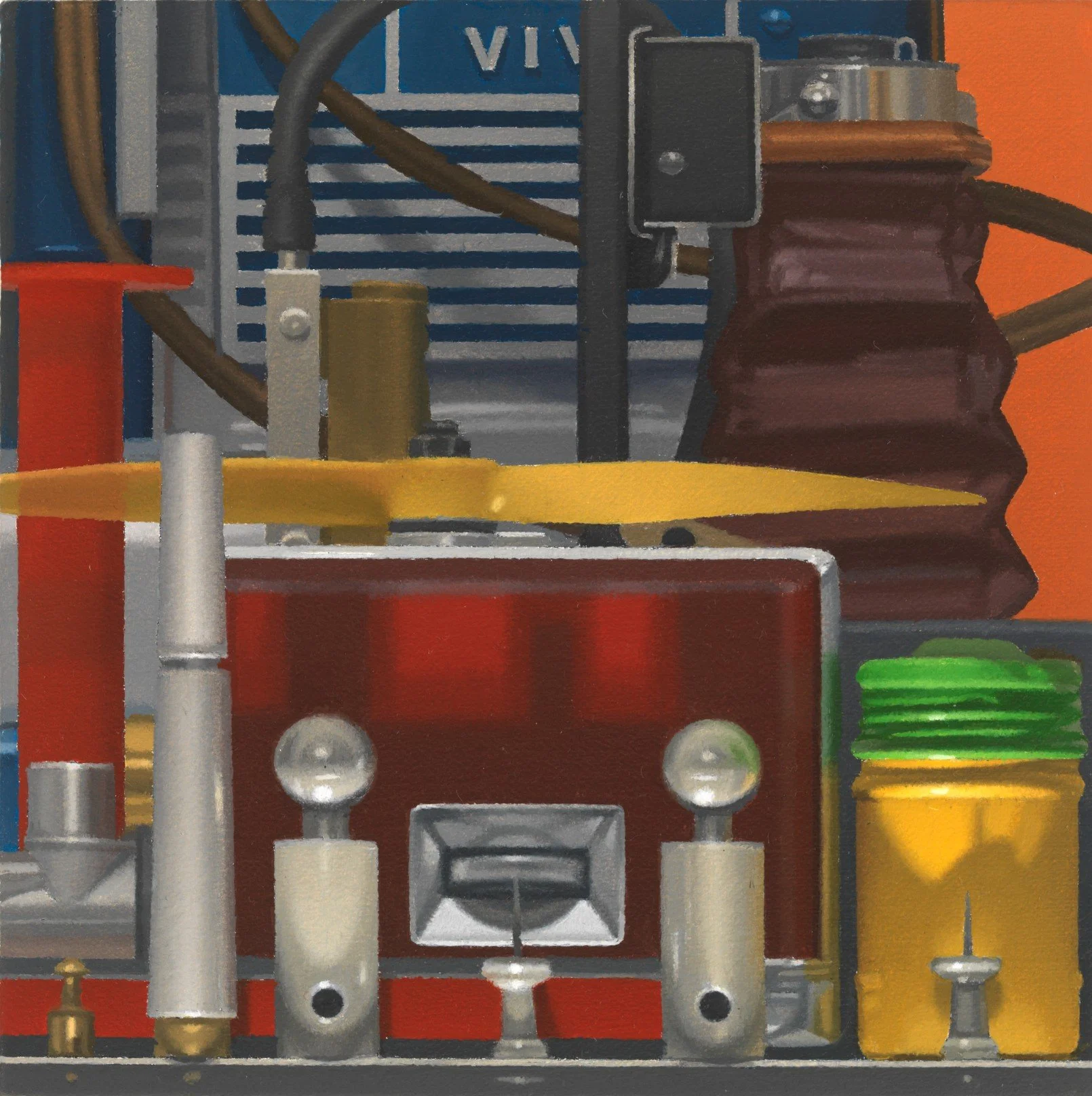
Reddicliffe has always been interested in pursuing representational art, with the iconic 1968 Whitney exhibition 22 Realists validating figuration as a worthy academic pursuit during the instructional dominance of abstract art. While Reddicliffe focused almost exclusively on the figure during his graduate studies, he pivoted to still life painting after graduation due to limited resources. His early still lifes alluded to the human body and explored various subject matters, including antique clocks. The artist later chose to avoid possible appeals to sentimentality or nostalgia and focused on painting everyday objects in a straightforward manner so as not to control the metaphorical interpretation. This staging of familiar objects within the strange, unfamiliar context has become the signature project for Reddicliffe. His works are highly resolved, with crisp details and absence of discernible brushstrokes, an execution style that eerily emulates the subjects themselves: screwdrivers, scissors, corkscrews, cameras, staplers, mixers. Not without a certain humor, his still lifes cast a doubt onto the genre itself: most of Reddicliffe's objects are man-made, testaments to the industrial revolution. Glass, metal, and plastic are featured frequently, and seem to be preferred for their capacity to reflect light. Ocular devices, which hint at the capabilities and limitations of human vision, appear often as well.
Reddicliffe's paintings tend to be small, chiefly due to the complexity of their execution. The preliminary setup is lengthy. He starts by carefully considering and selecting objects that seem compelling, many of which appear to possess midcentury design sensibilities, and organizing them in space. The usual backdrop involves strong, vibrant colors to create maximum contrast. Nothing the viewer sees is accidental: each object relationship, surface, and reflection is scrutinized by Reddicliffe, who sometimes takes weeks to light his compositions. One of the greatest pleasures that Reddicliffe finds in painting is the ability to resolve the problem of transforming a three-dimensional composition into a convincing illusion thereof on a flat surface, which is why he never resorts to photography. Because he works strictly from life, he does not use natural light to exert greater control over the arrangement. The warm glow released by his paintings is owed to his masterful use of incandescent bulbs.
Reddicliffe titles his works in a factual way, thereby inviting the viewer to seek out their own meaning beyond what is depicted. So much of the pleasure of looking at his work derives from the gradual way in which the internal logic of the piece is revealed: the sudden (to the viewer), unexpected apparitions of forms and colors that mimic other components of the painting become a sort of nested story, a reward for close and curious observation.
“All of the paintings I have made for the last fifty years have been based on still life objects chosen for their formal characteristics: size, shape, color and texture.” - Harold Reddicliffe
CV
featured worK


past exhibitions

New Paintings | February 14 - March 22, 2025

Art Miami | December 5 - 10, 2023

New Paintings | October 7 - November 5, 2022
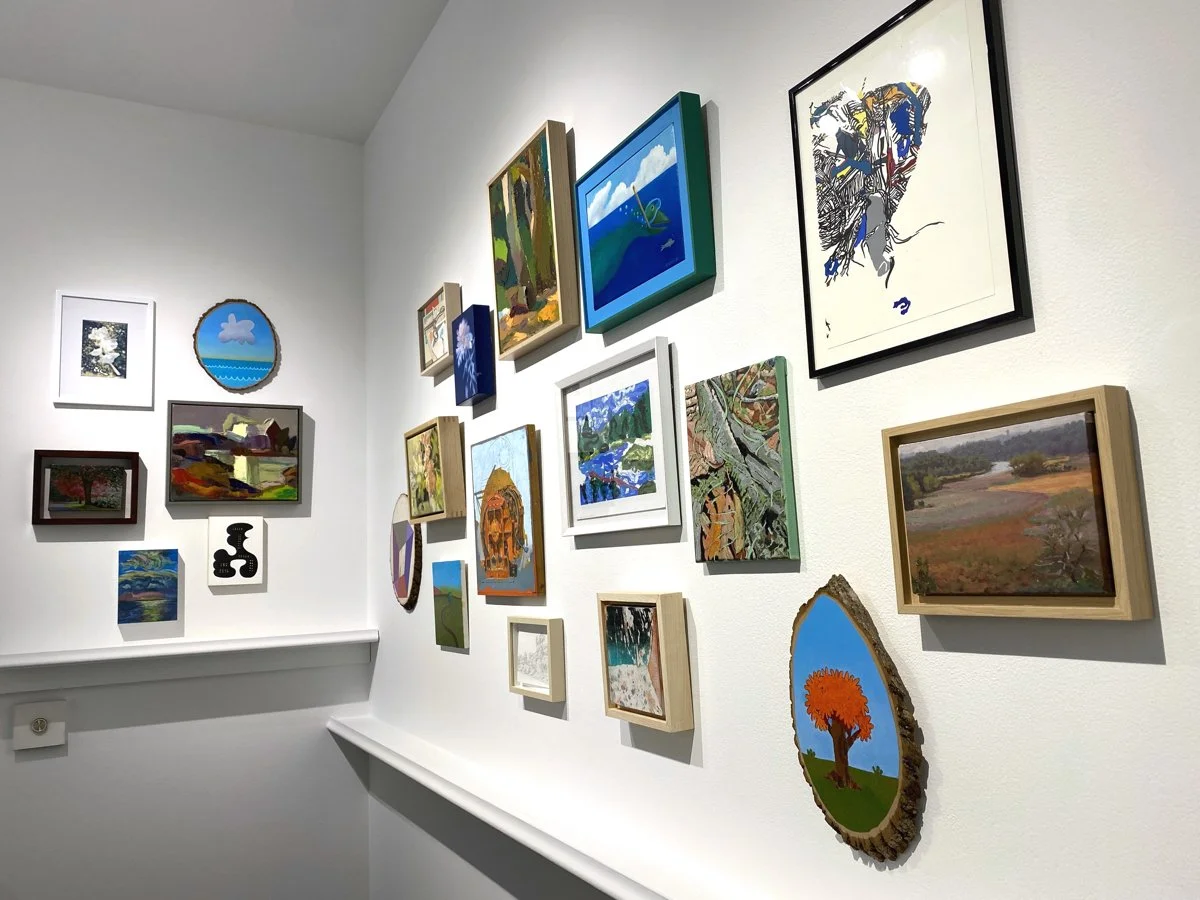
2021 Holiday "Smalls" | November 12–December 18, 2021

Virtual Summer Camp: New Work by NAGA Artists | July 2020 *Online Exhibition*
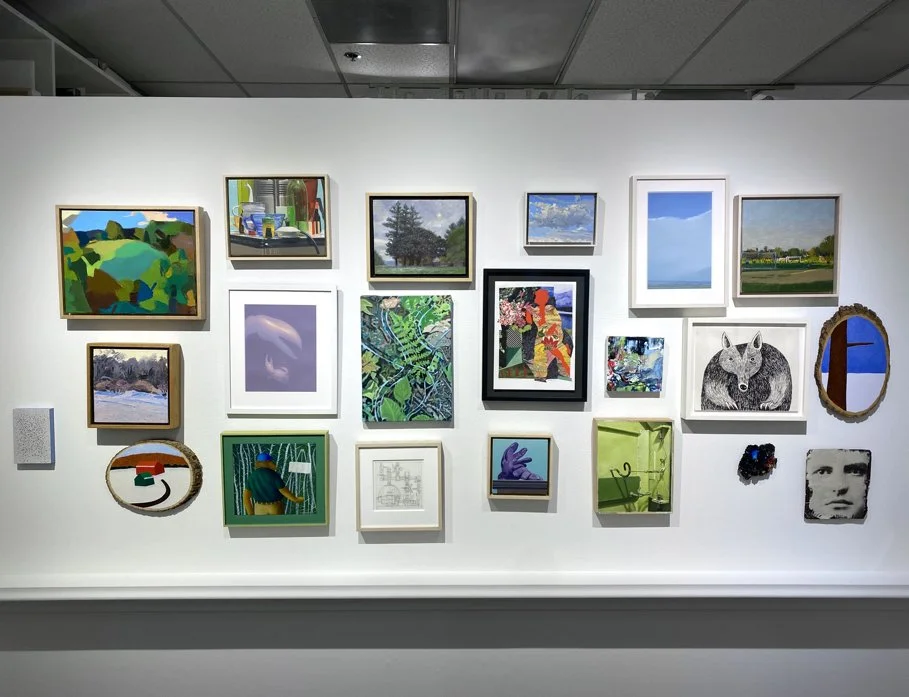
2020 Holiday "Smalls" | November 6 – December 19, 2020

New Paintings | April 5 - 27, 2019
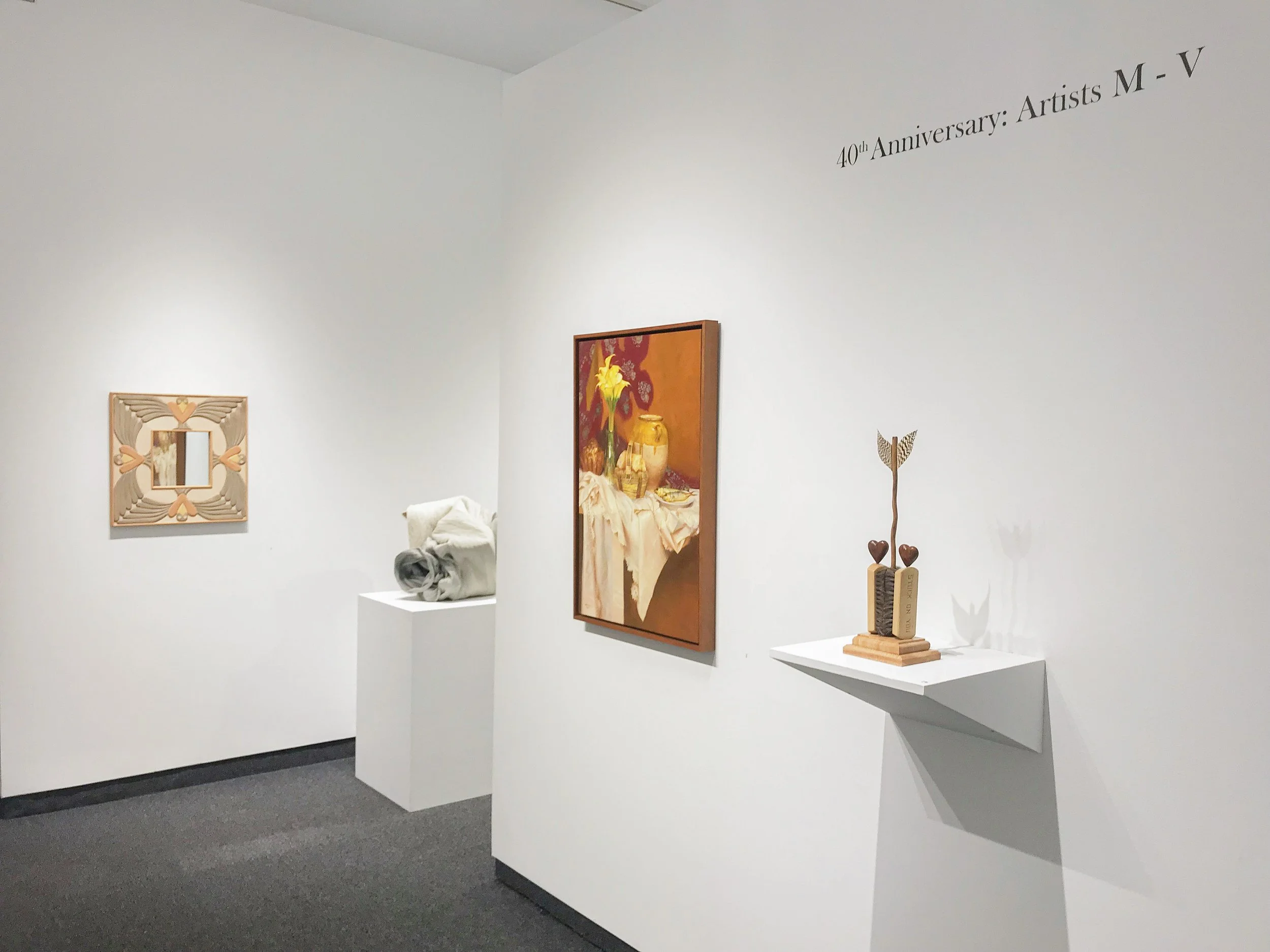
40th Anniversary: Artists M - V | February 2 - 24, 2018
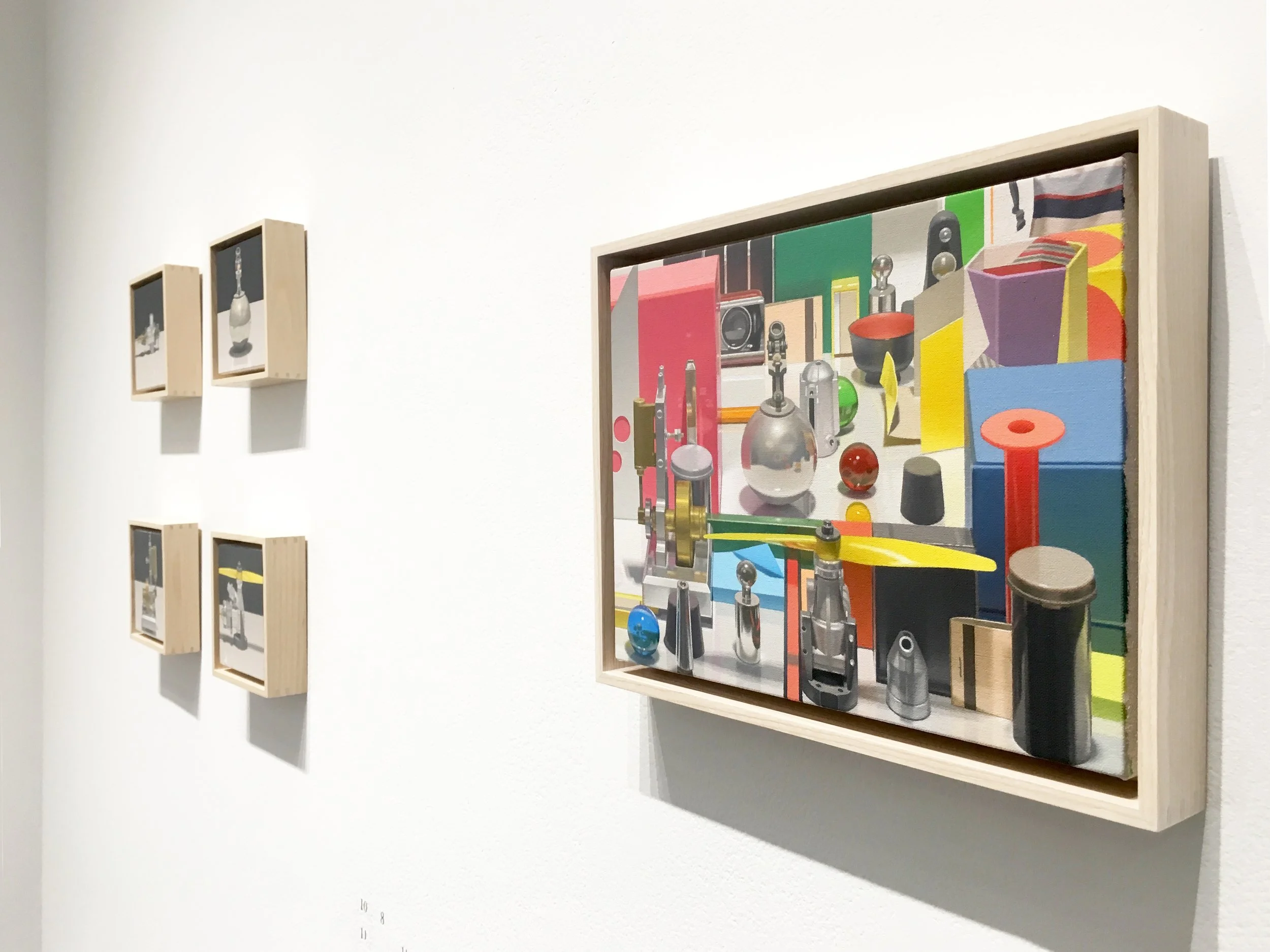
Recent Small Paintings | September 6 - October 1, 2016
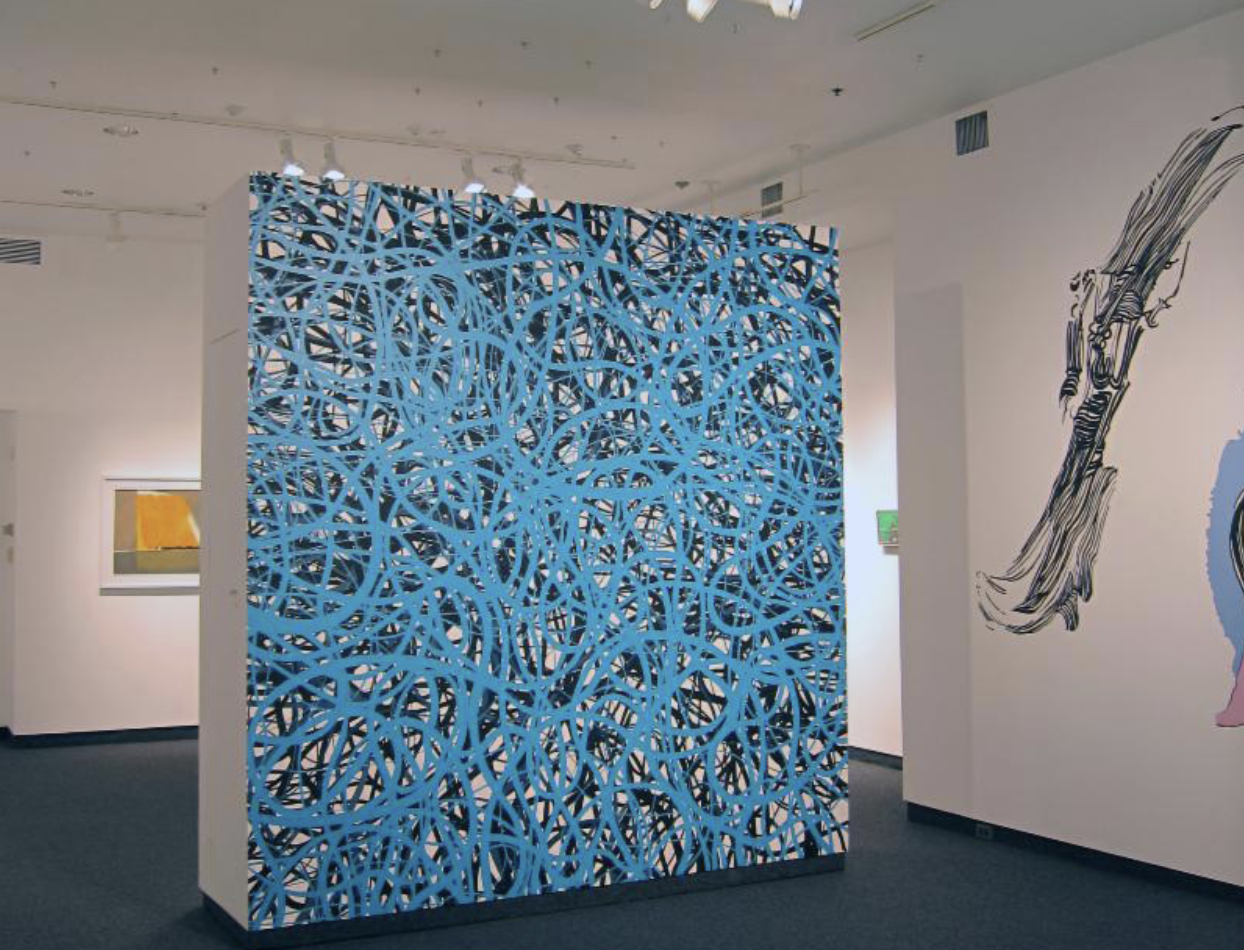
COLOR WAYS / ON THE WALL | June 6–July 11, 2014