
Joseph Barbieri

Joseph Barbieri was born in 1941 in Philadelphia, Pennsylvania. He grew up in a creative household, with parents who collected books, paintings, prints, and played the piano. Barbieri attended the Tyler School of Fine Arts and subsequently the Pennsylvania Academy of Fine Arts, earning a bachelor's degree in 1965. In 1964, he was awarded a Traveling Scholarship and visited Europe and England. He then spent a year of independent study in Florence, perfecting his knowledge of Italian and forging decades-long friendships and a deep connection to the city.
Barbieri has always been focused on oil painting and a classical, technically strong painterly approach. While studying at the Pennsylvania Academy of Fine Arts, he developed a Neo-Surrealist, somewhat somber style of painting, focusing on depicting human, often male figures in uncanny settings. Progressively, he became interested in landscape painting and made plein air studies a distinct part of his studio practice. With time, Barbieri's subject matter became lighter, and he began the continuous series of work he is widely recognized for today: his anthropomorphic birds.
In some way, fantastical animals have always been part of Barbieri's work, starting in youth, when he painted imaginary creatures for members of his family and titled them with fictional Latin names. Growing up, he also had a pet duck named after the French painter Maurice Utrillo that was a true member of the family. While Barbieri did not start painting duck-like creatures until later in life, he admits that his childhood connection may have added to his fascination with and admiration for birds.
Barbieri's chimerical characters are humorous, expressive, and appear to be a prism through which the human world is perceived: they dress, play tennis, paint, fly airplanes, and articulate in much the same way people do. The paintings are vivid and highly detailed, with attention dedicated in equal measure to the foreground texture of feathering and minuscule background details. The Ducks are often set against the bright daylight of cerulean blue and voluptuous clouds, or a cobalt starry sky. In contrast, Barbieri's landscape paintings seem to be more lyrical and focused on depicting a bigger picture, the feeling of being immersed in the landscape. They are quieter and more subdued. Both styles, in some ways, seem to depict places Barbieri has visited and been coming back to: the Italian landscape, coastal Maine, the Bahamas, Antigua. The format of Barbieri’s works is unique, often featuring unusually elongated or low-profile canvases that add to the character of his birds or the expansiveness of his scenery. The frames are an essential part of the work and are finished with vivid colors that complement his paintings: shades of light blue, green, and yellow.
Outside of his studio, Barbieri is an avid reader. He likes to travel and spend time with his family and friends at the Tavern Club, where he served as head of the Art committee for almost a decade. He says he would be pleased to think of some of his Ducks as self-portraits.
“My current interest in bird-like images continues. I call them ducks, although many of them don't look like ducks. There are several paintings where the ducks look like large wading birds usually standing in the water. Other ducks are flying, sometimes as pilots of airplanes. The ducks are usually clothed, though not always, and very bright oil colors with crisp edges are the norm. The deeper meaning of the paintings might be found in the imagination of the viewer.
An entirely different kind of work are landscapes, mostly done on an island in Maine, and on other islands much further south, i.e. Antigua and the Bahamas, and also from trips to Italy, where Pienza in Tuscany has been a favorite subject. I find the landscapes a nice change from being in the studio doing intensely detailed work, to being outside and painting in a freer way.
Some may find this dichotomy between styles puzzling, but I don't at all, having done this during my student days at The Pennsylvania Academy of the Fine Art and later when I lived in Florence for a year.” - Joseph Barbeiri
CV
featured worK


past exhibitions
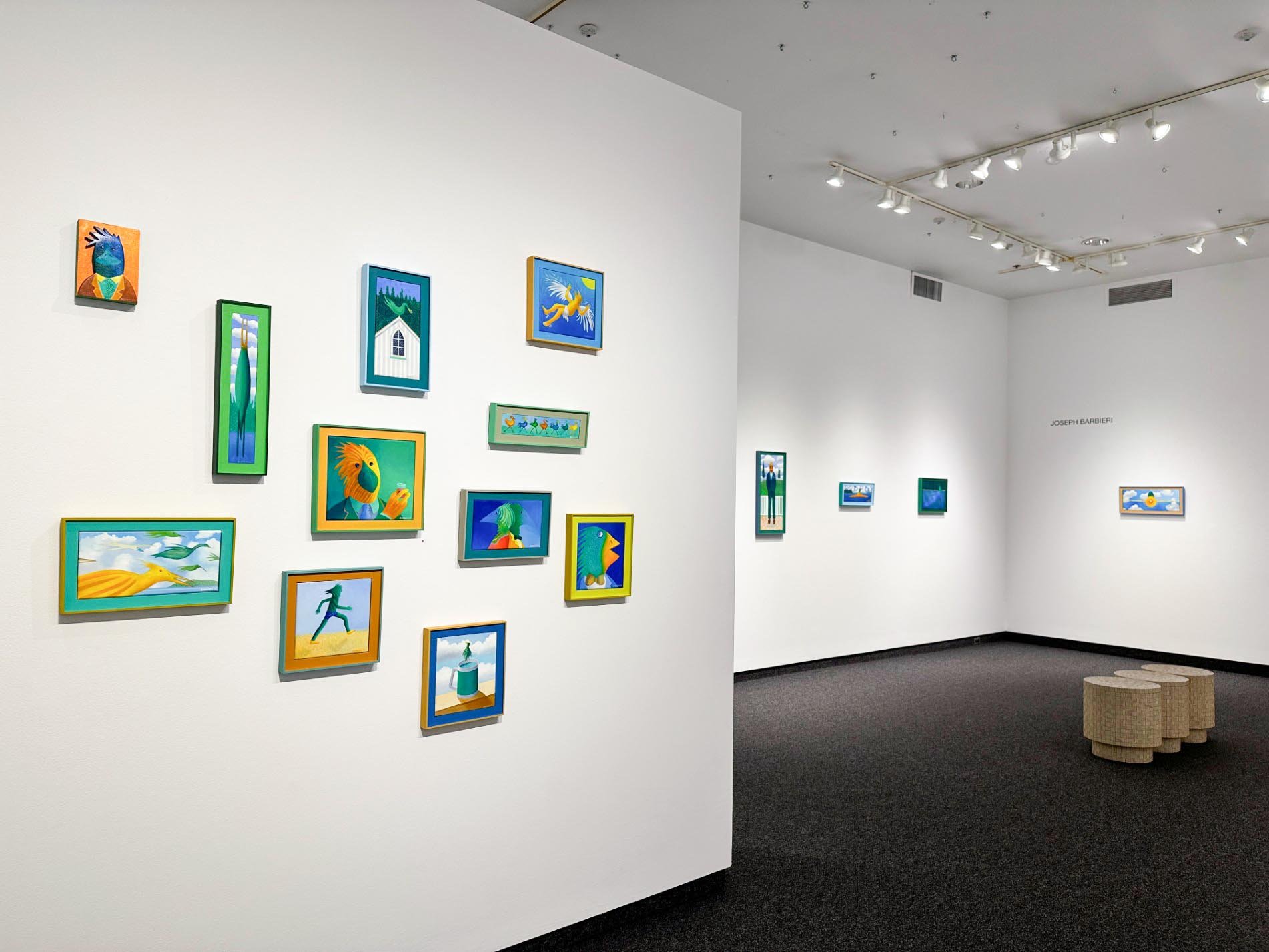
Flocks of Fowls and Sunny Landscapes | April 7 - 29, 2023

Night Vision: Nocturnal Musings by NAGA Artists | June 4 - July 9, 2021
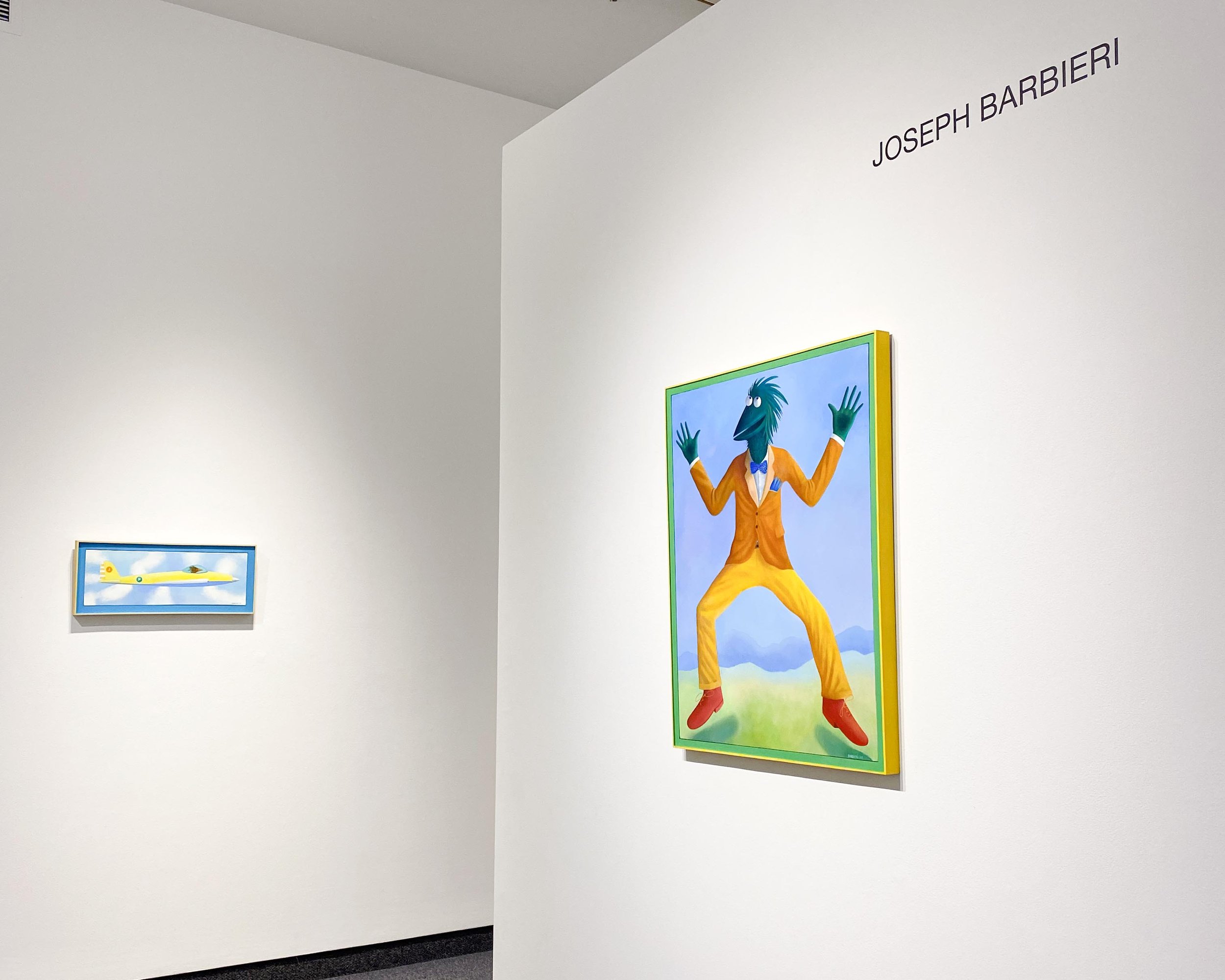
Lucky Ducks and Lambent Landscapes | April 2 - 24, 2021
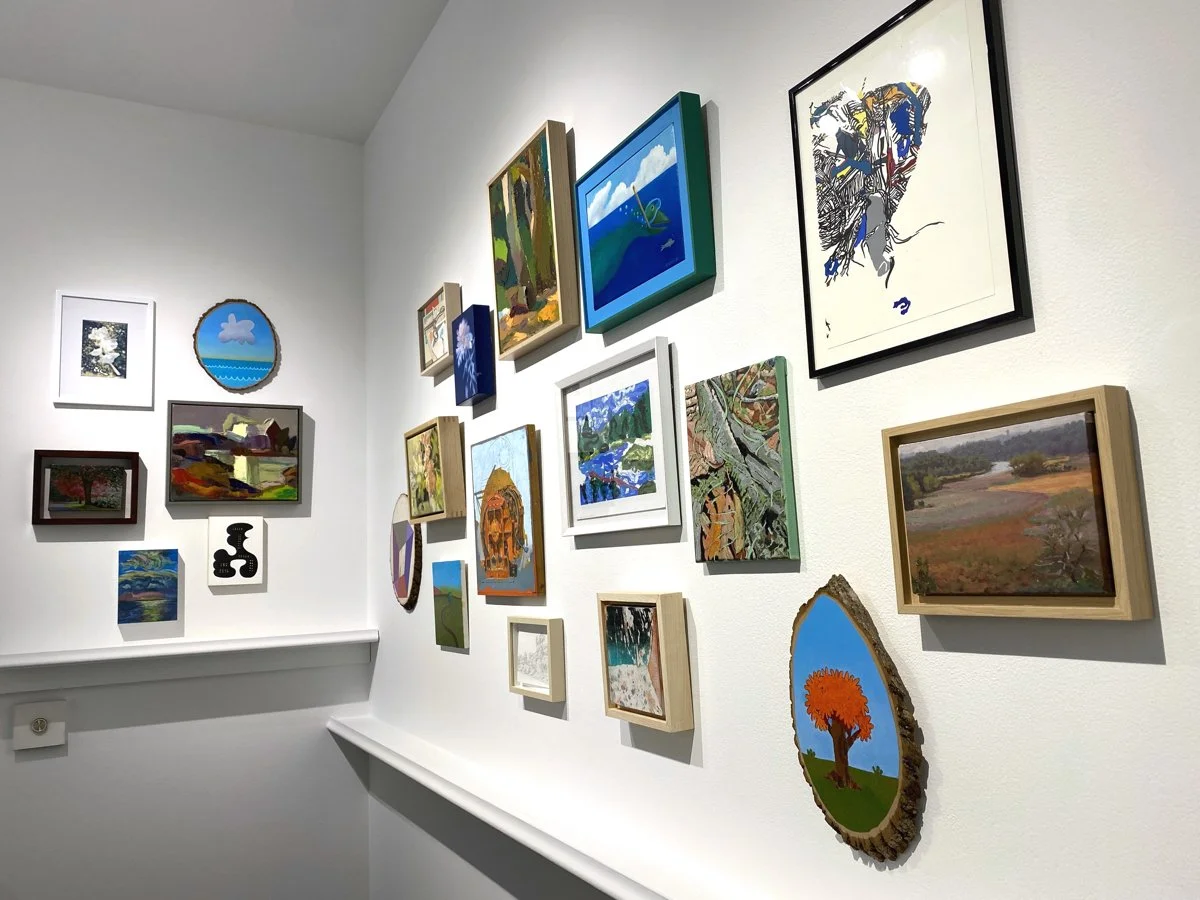
2021 Holiday "Smalls" | November 12–18, 2021

Virtual Summer Camp: New Work by NAGA Artists | July 2020 *Online Exhibition*
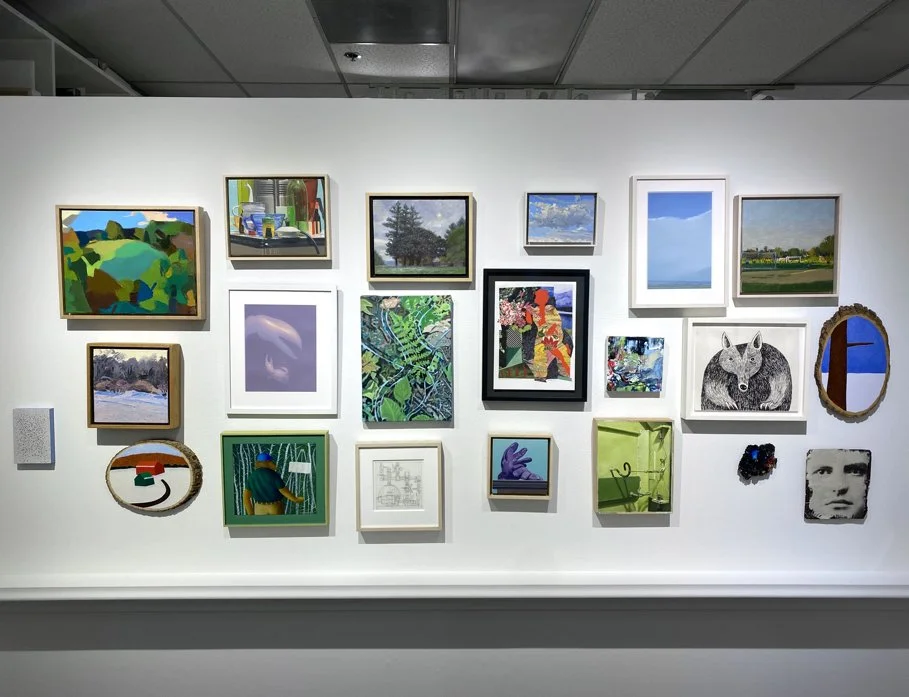
2020 Holiday "Smalls" | November 6 – December 19, 2020

Beyond Isolation | April 3 - 25, 2020 *ONLINE EXHIBITION*
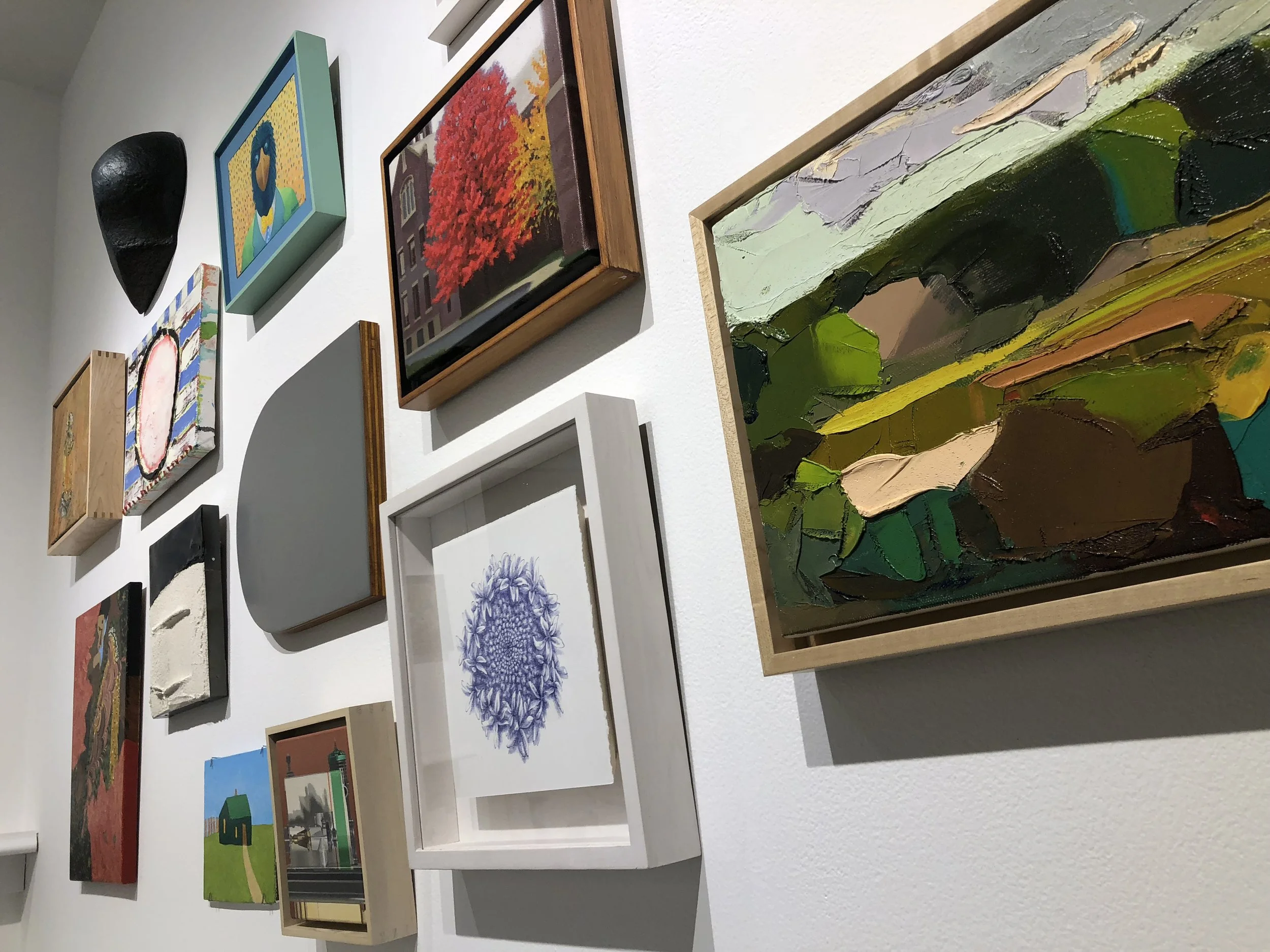
2018 Holiday "Smalls" | November 9–December 15, 2018

House-trained: Contemporary Depictions of Dogs | June 7 - July 12, 2019
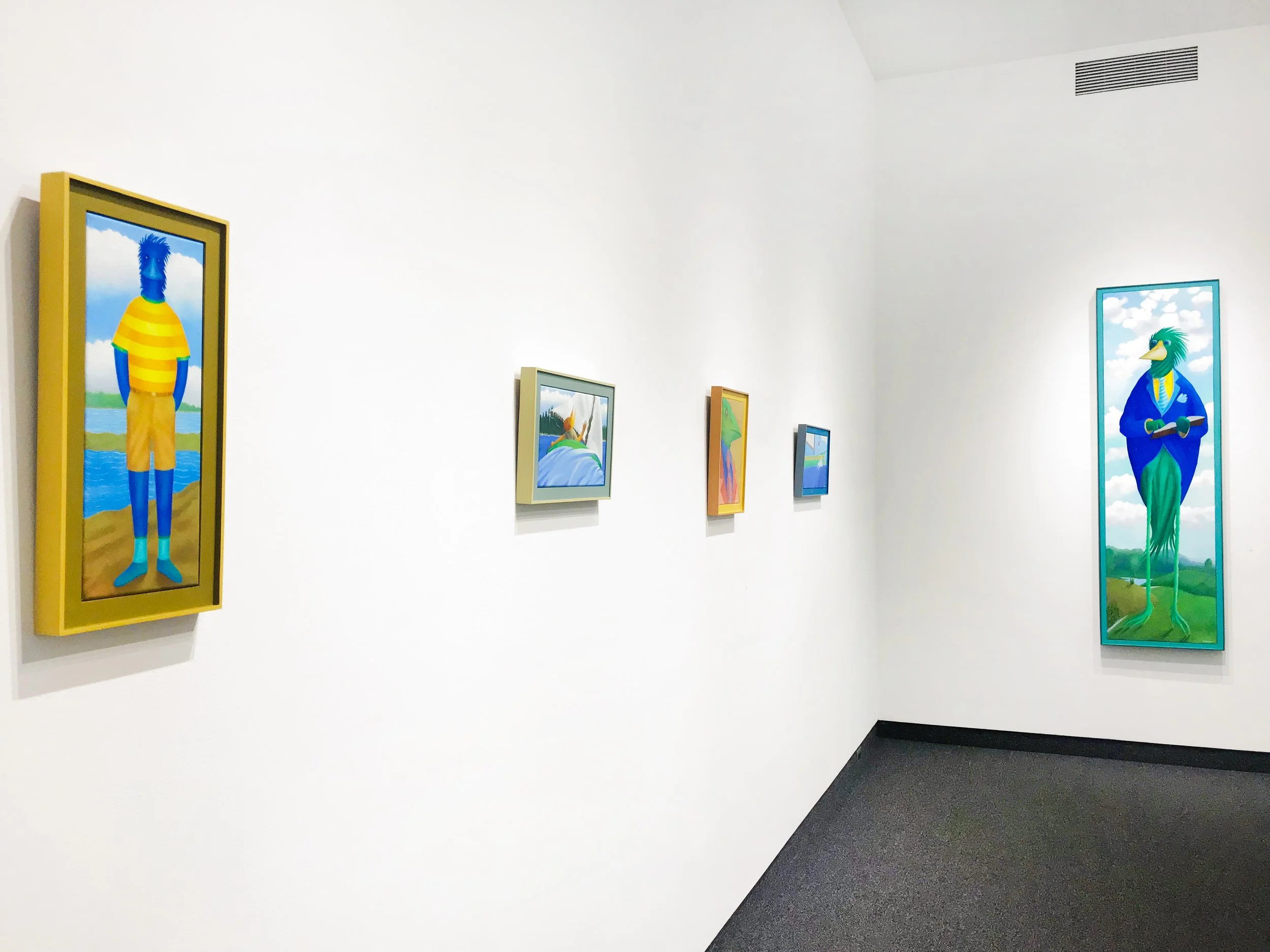
Avian Antics, Languid Landscapes and Some Fishes | April 6 - 28
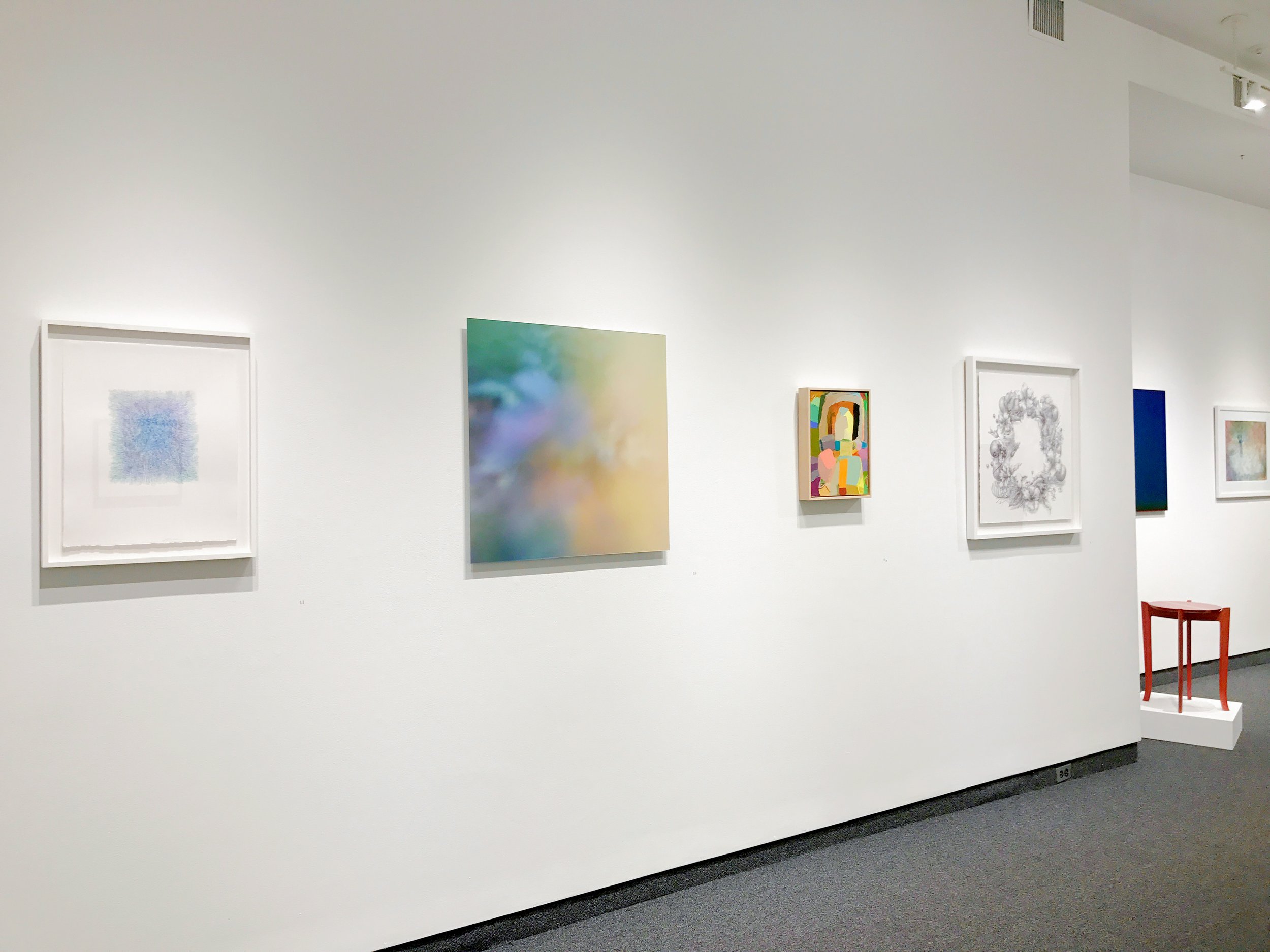
40th Anniversary: Artists A - K | May 5 - 27, 2017
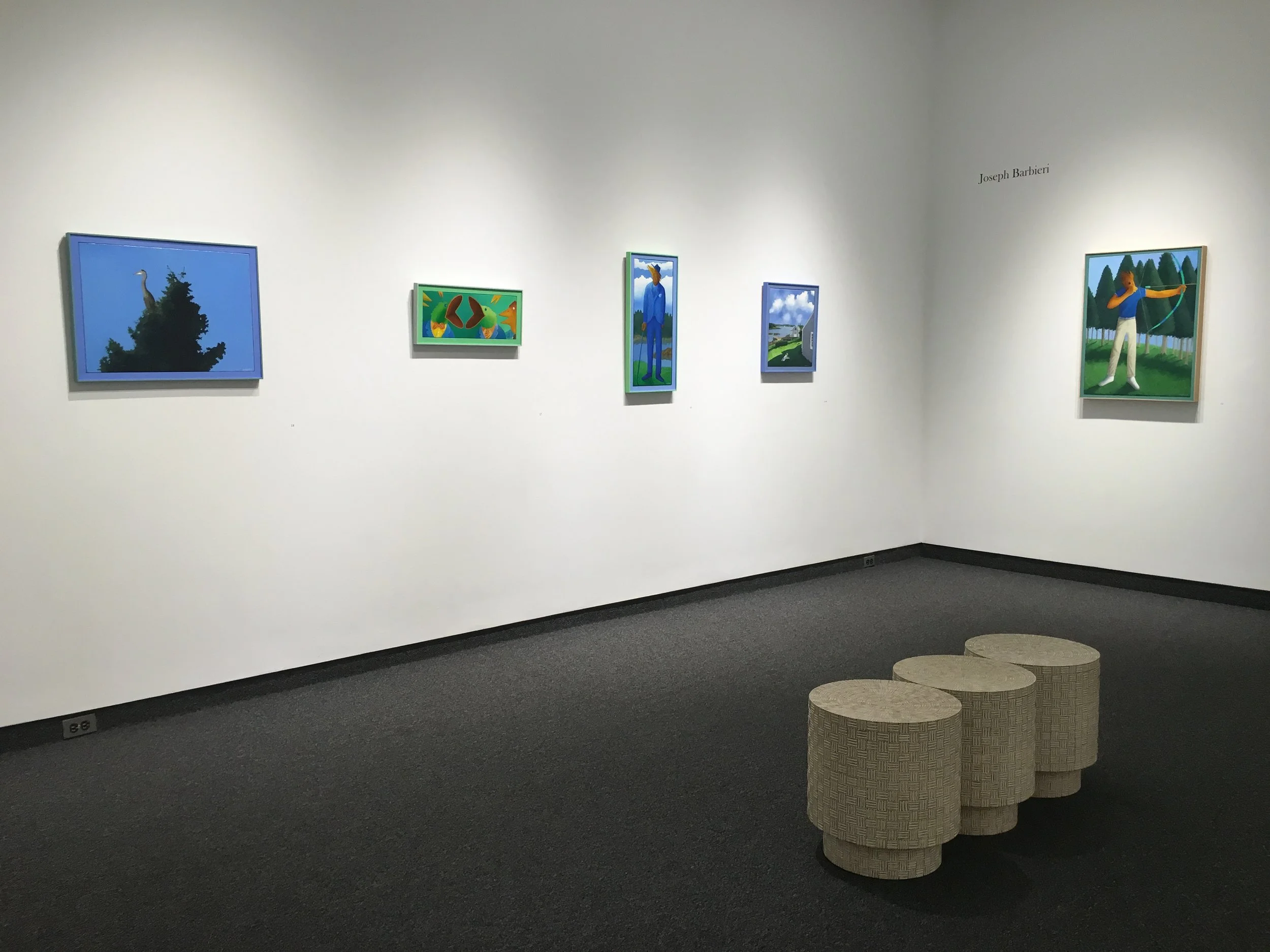
Feathers and Flora | April 1–30, 2016
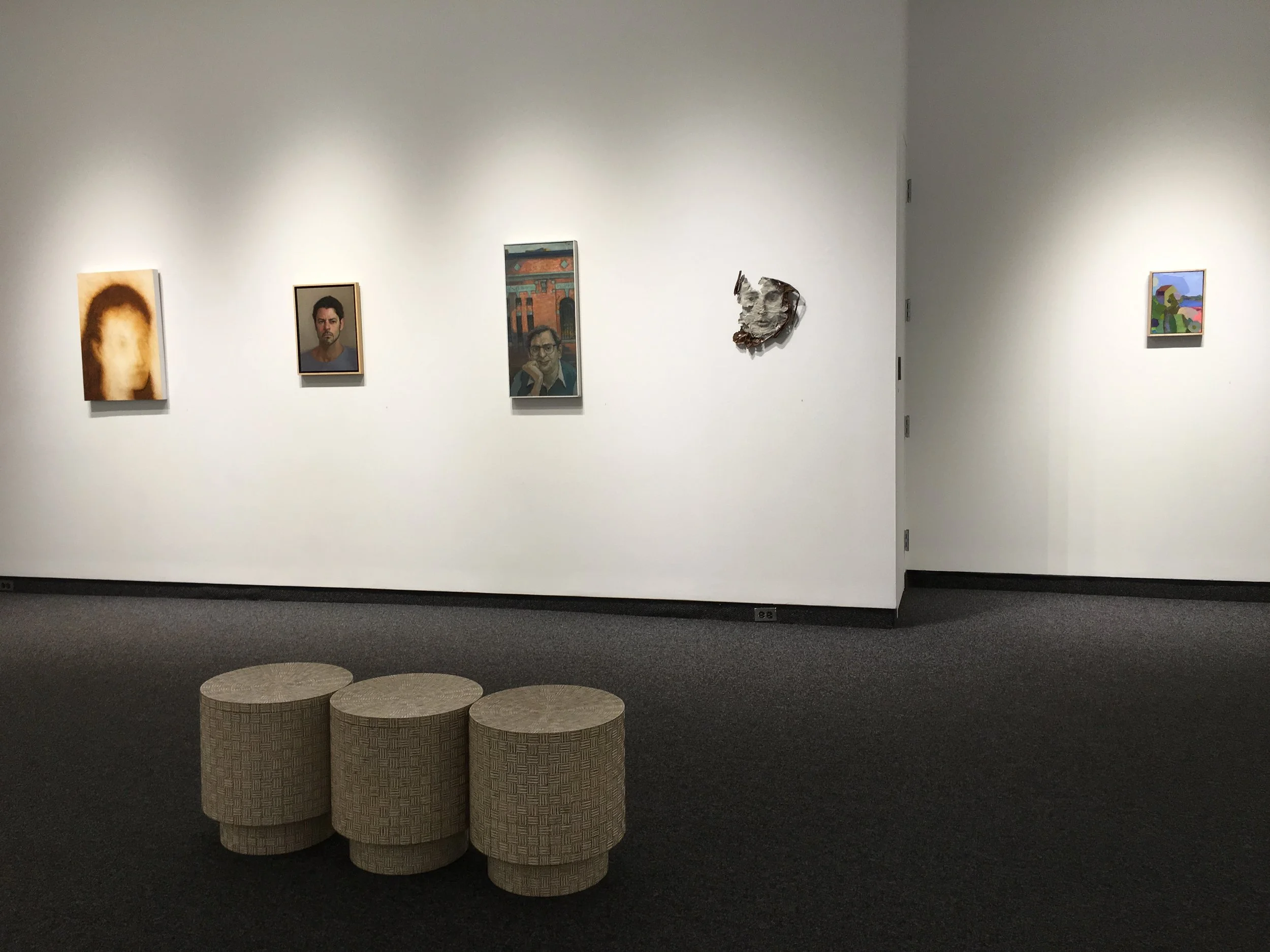
Dysfunctional Family: Portraits by Gallery NAGA Artists | February 5–27
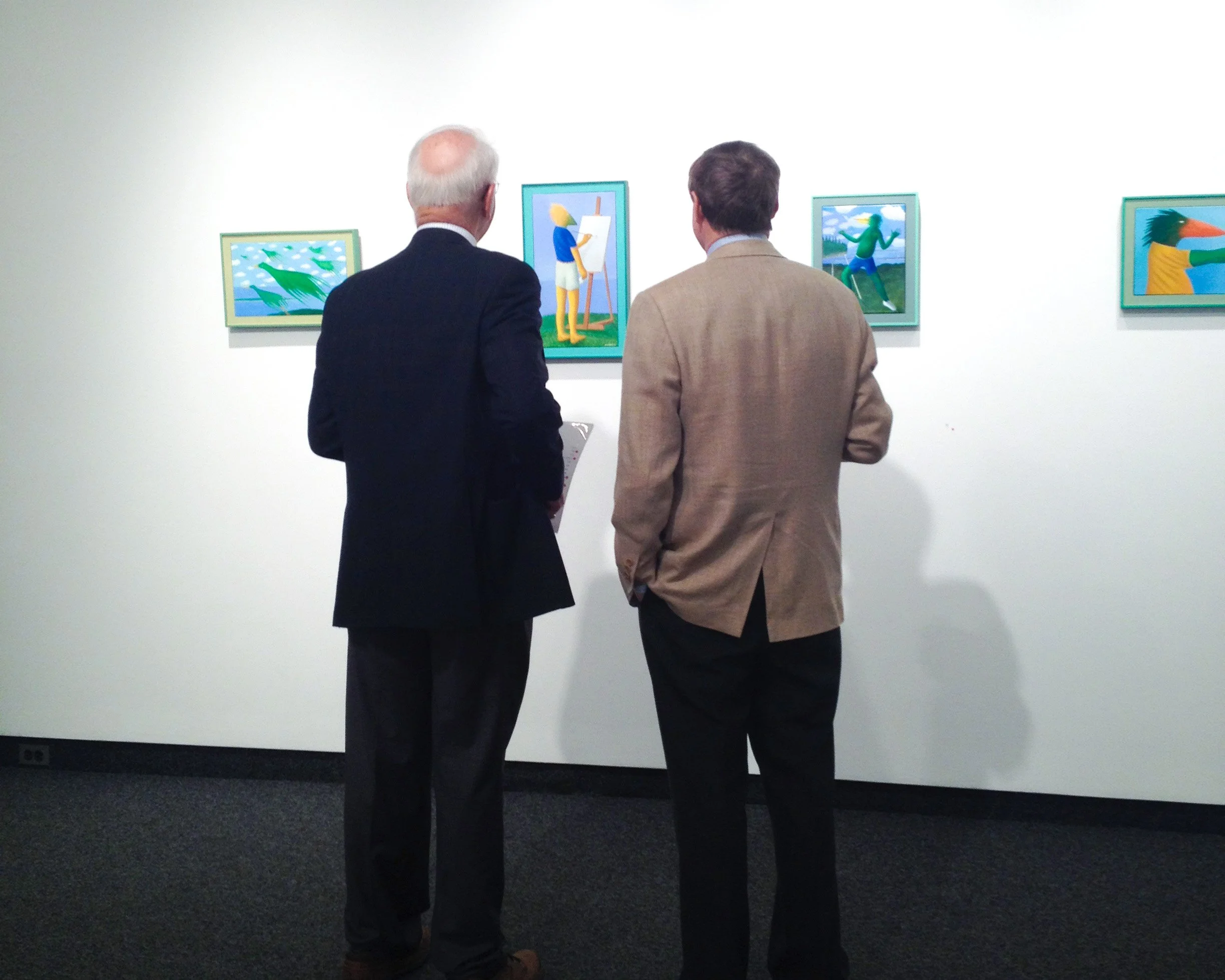
Old Ducks and Various Landscapes | April 4–May 3, 2014