
Joseph McNamara

Joseph McNamara was born in 1950 in Somerville, MA. Some of his earliest memories take him back to the MFA Boston, where he was enrolled in Saturday art classes since kindergarten. Growing up, McNamara was fascinated by the illustrations of Frank R. Paul, the comics of Jack Kirby, and the visuals in the sci-fi and fantasy magazine Spacemen. He enrolled in the Massachusetts College of Art to study painting and graduated in 1972 with a Bachelor's degree in Fine Arts. McNamara was the only student in his class to pursue figurative art, with the landmark 1970 Whitney Museum of Art exhibition 22 Realists furthering his commitment to representational excellence.
McNamara's practice could broadly be characterized as portraiture, still life, and landscape painting, which often intermix. The early portraits possessed an eerie quality attributed to the unusual color choices for the skin of his model: grey, yellow-green, purple, and to composition, with subjects seemingly isolated in their own worlds, off-center, their gaze far beyond our reach. The still lifes sometimes featured elements of decay and masterfully transmitted the coldness of glass and metal, elements common in McNamara's work. Progressively, the portraits grew warmer and more ambitious in scale, coming to include architectural and ambient details rendered with precision. The still lifes featured playful porcelain figurines and appeared to question the notion of stillness through the inclusion of action: a figure pouring milk from a creamer, a plant watered from a jug. The frozen act expanded onto McNamara’s landscapes, with a series of large-scale paintings of steam trains seemingly rushing towards the viewer, molten steel pouring from a ladle, or Yankee Stadium in the process of its demolition.
In recent decades, McNamara has dedicated himself almost exclusively to the painting of industrial sites: highway intersections, shipyards, monumental constructions, generators and reactors, airplane graveyards, refineries, factories, and power plants across the country. He seeks out the subject matter that may, on some level, resemble the fantastical and futuristic world of science fiction that captivated him as a child, and allude to the work of the Precisionists, especially that of Charles Sheeler and Walter Tandy Murch. McNamara then travels to explore and photograph the sites, with photographs serving as a reference to his hyperrealist paintings.
While McNamara started his career painting on canvas, in the 1980s he switched to a wooden surface, and his unique way of framing his works with wood strips resulted from the need to protect the edges. Over time, the strips added a unifying quality to his paintings, filled with small scuffs, paint lines, and grid markings, and became an essential element of the work that alludes to the laborious process of its creation. Gradually, his signature acquired a similarly uniform, wordmark-like quality.
Of the broad theme of his works, he says, “The subject matter sometimes evokes memories and emotions triggered by what’s left behind. And how what’s left behind endures regardless of its abandonment. This can be very powerful.”
Joseph McNamara lives and works in New York City. His work is part of many institutional collections, including the Neuberger Museum of Art, the New Britain Museum of American Art, Seven Bridges Foundation, and Yale University Art Gallery.
“The question I get asked most frequently is, 'How do you choose your subject matter?' and the answer is pattern recognition. Pattern recognition in this case is distinguishing a distinct visual rhythm in life situations encountered either by choice, which means traveling to predetermined locations that I know will stimulate my curiosity, or by spontaneous reactions to otherwise apparently unremarkable life circumstances that fit these requirements. In other words, I seek out content that looks like my painting.” - Joseph McNamara
CV
featured worK


past exhibitions

Joseph McNamara | April 5 -27, 2024

Art Miami | December 5 - 10, 2023

Night Vision: Nocturnal Musings by NAGA Artists | June 4 - July 9, 2021

In Actuality | February 5 - 27, 2021
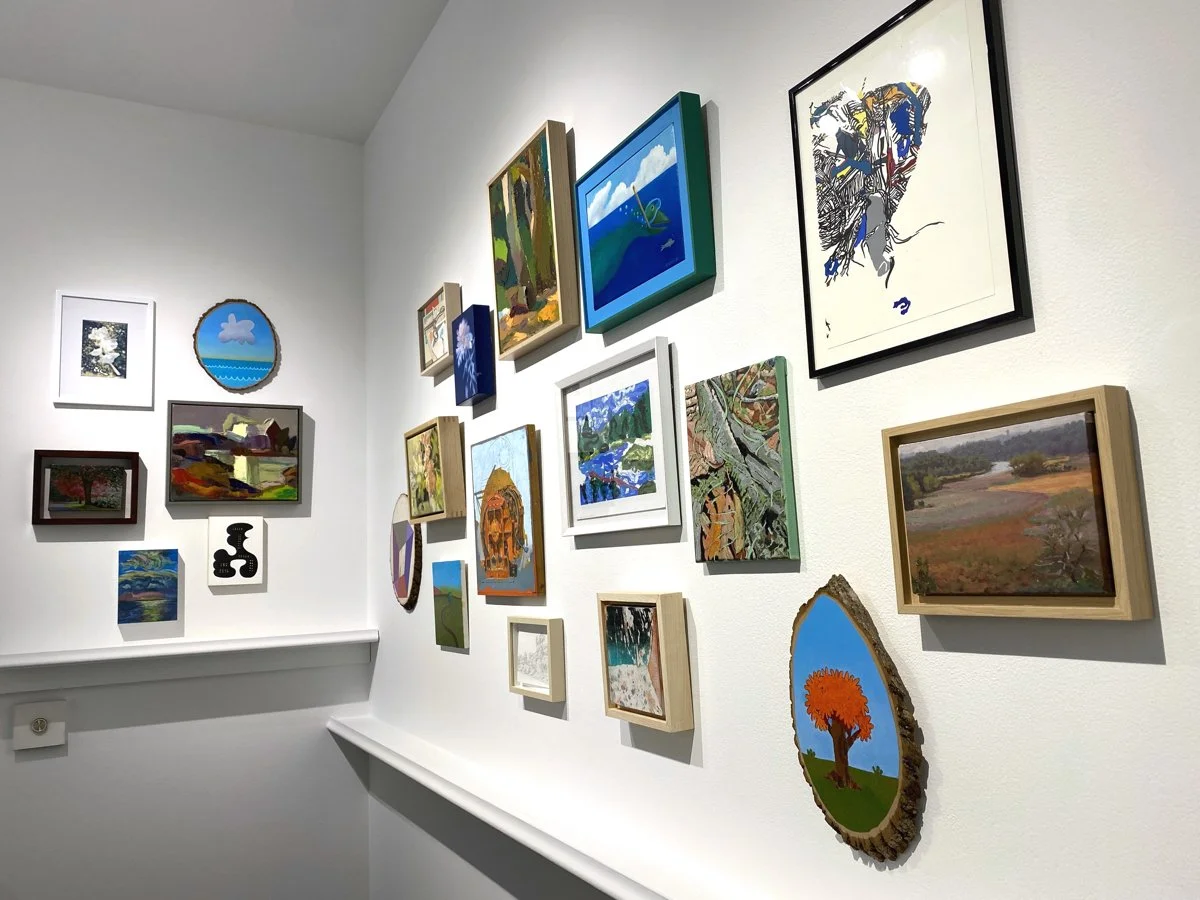
2021 Holiday "Smalls" | November 12–December 18, 2021

Virtual Summer Camp: New Work by NAGA Artists | July 2020 *Online Exhibition*
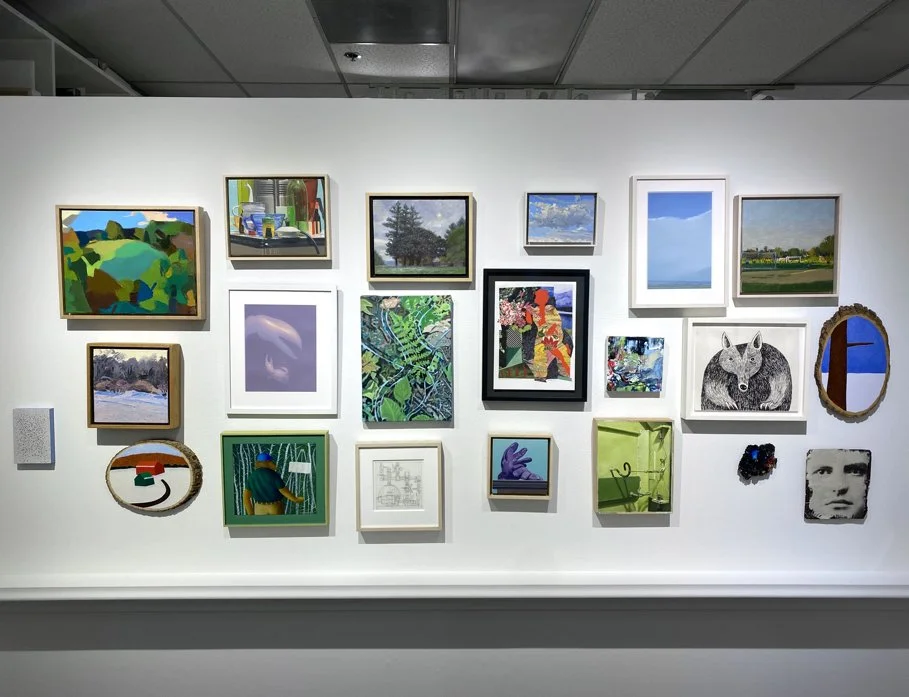
2020 Holiday "Smalls" | November 6 – December 19, 2020
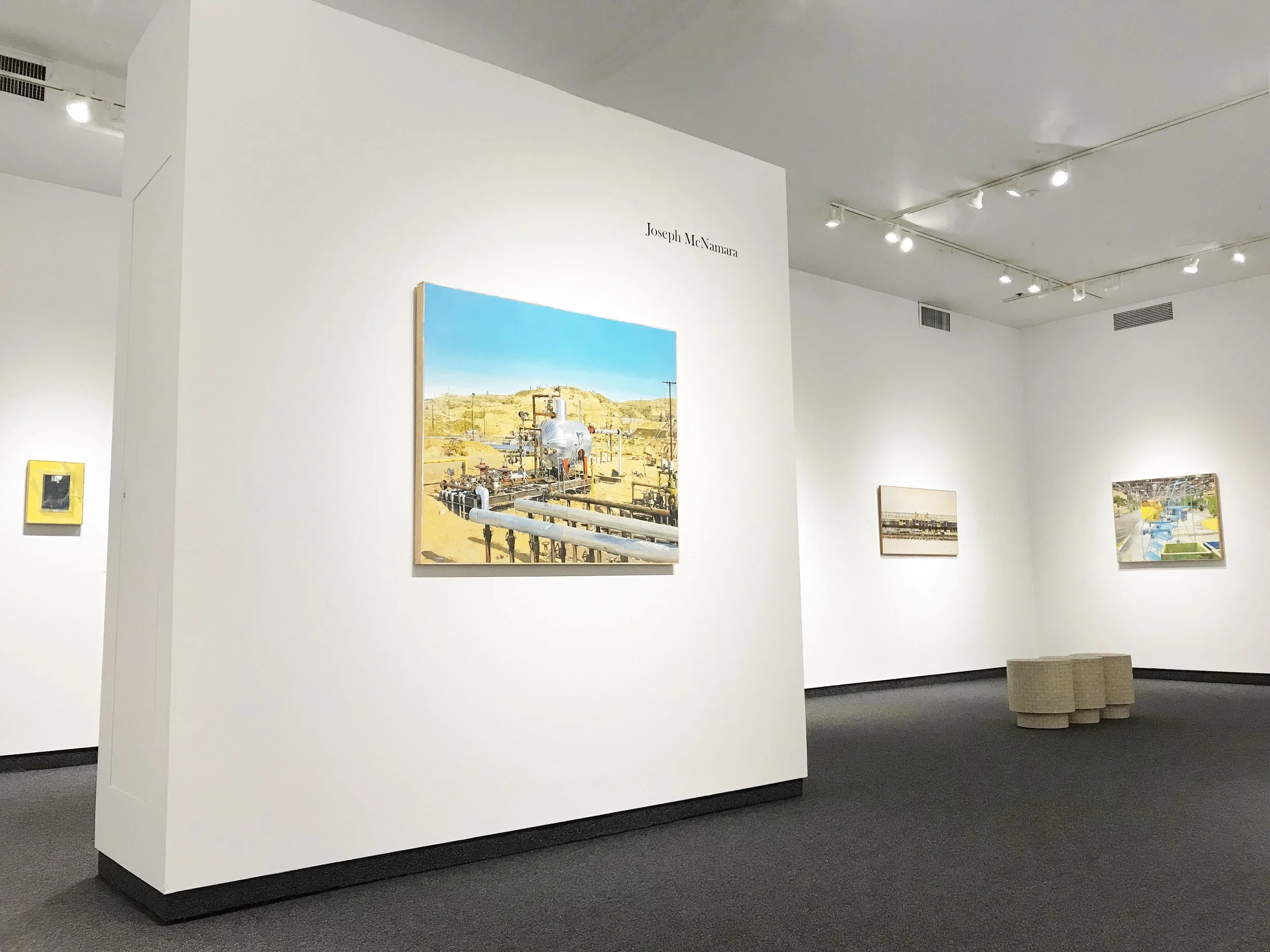
Realizations | March 2 - 31
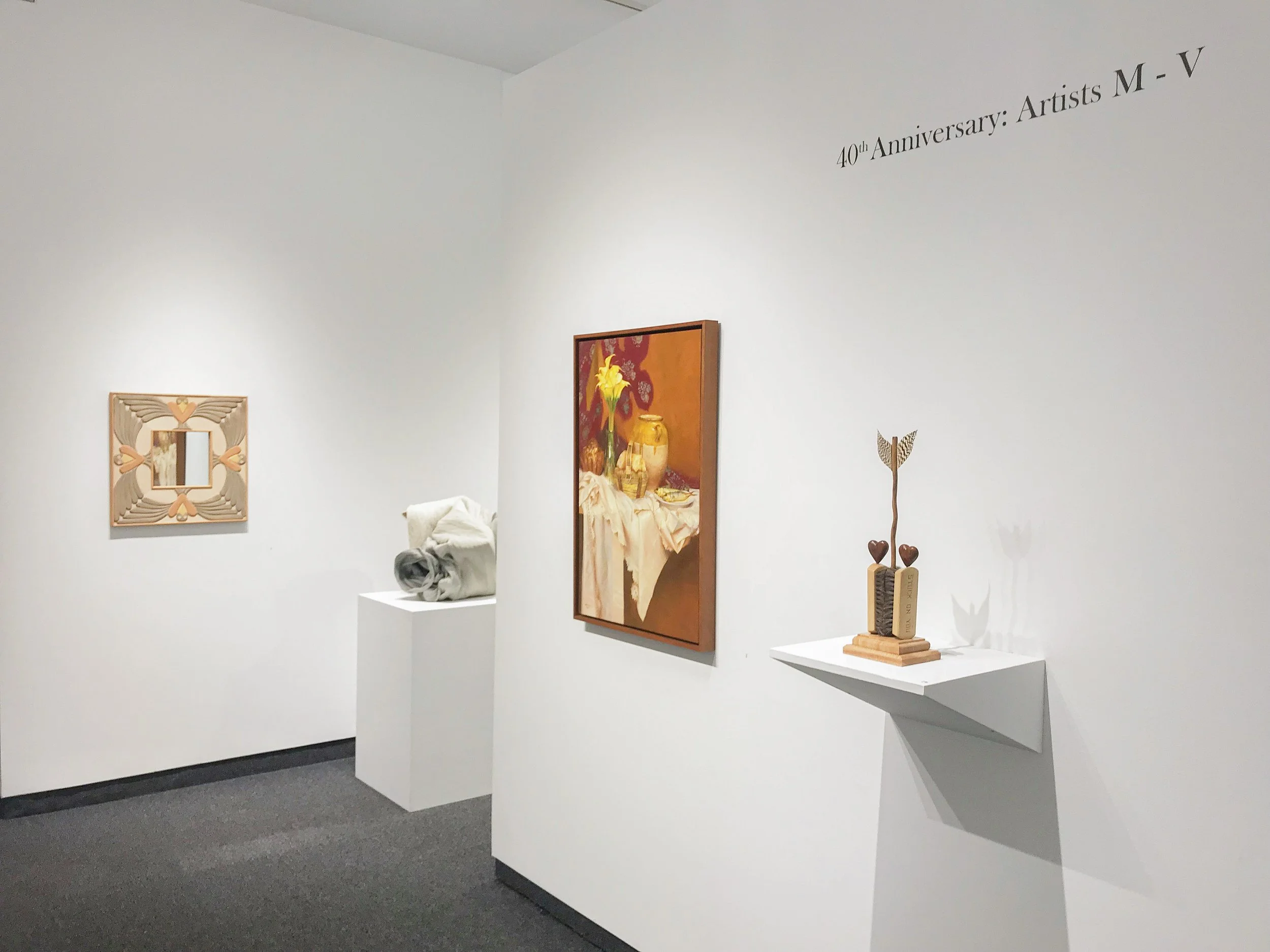
40th Anniversary: Artists M - V | February 2 - 24, 2018