
Martin Kline
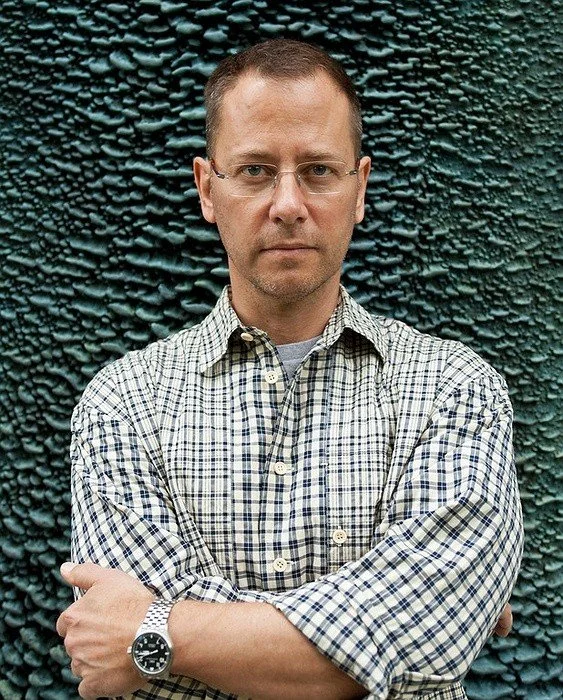
Martin Kline was born in 1961 in Norwalk, Ohio. He enrolled at Ohio University and pursued a double major in Studio Art, with a focus on drawing and sculpture, and Art History, with an emphasis on the Italian Renaissance. Kline graduated in 1983 with a Bachelor's degree in Fine Art. To fund his education, he enlisted in the Army National Guard, an experience that served as subject matter later in his career.
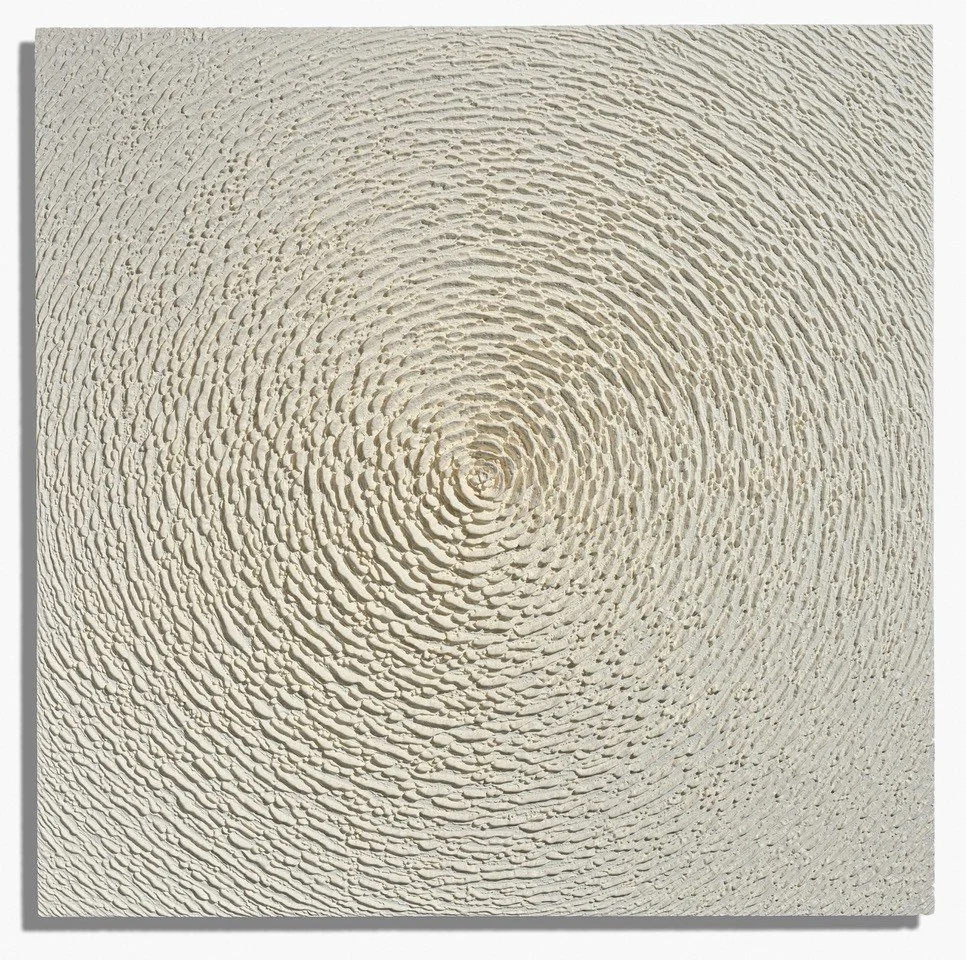
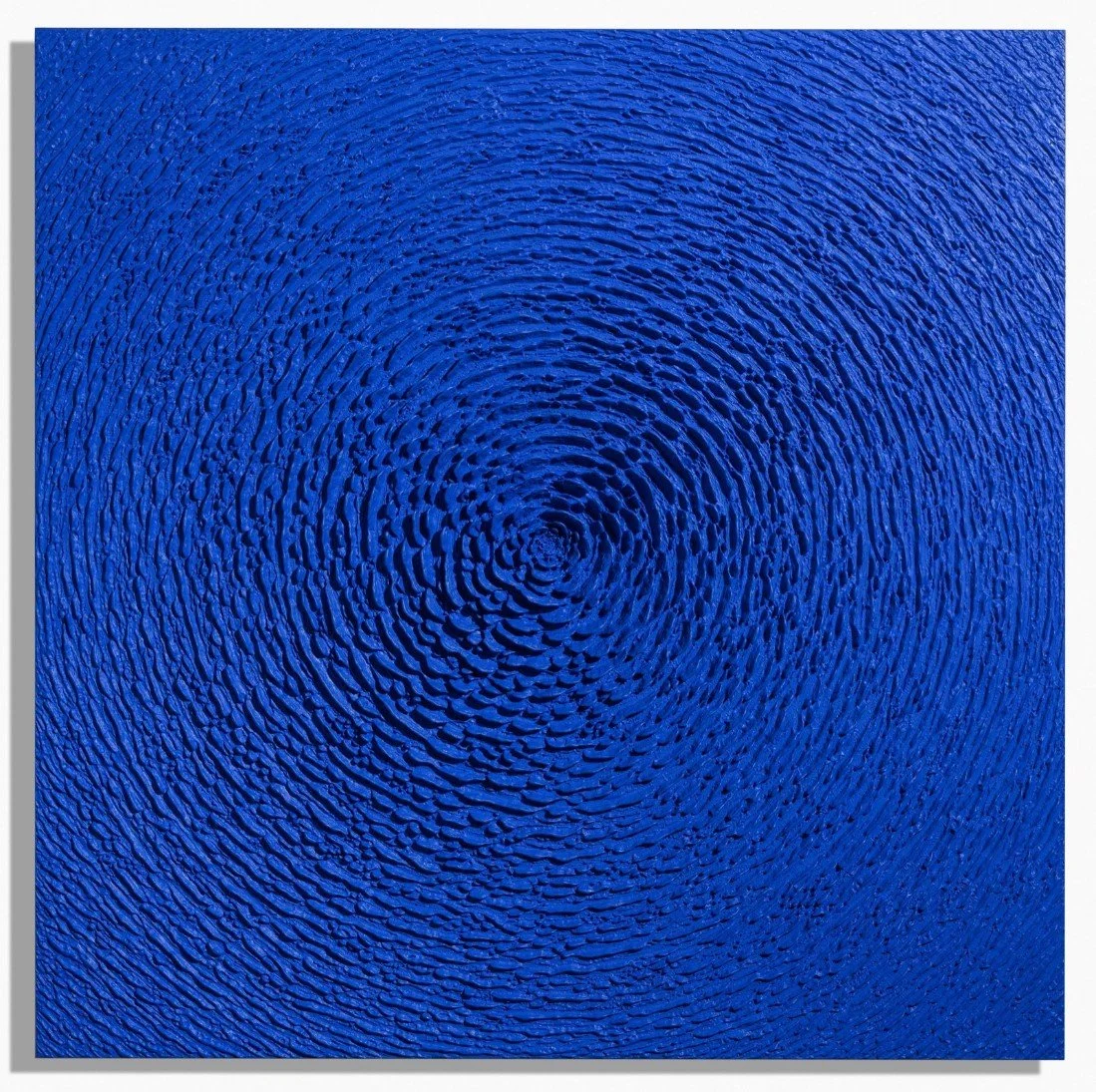
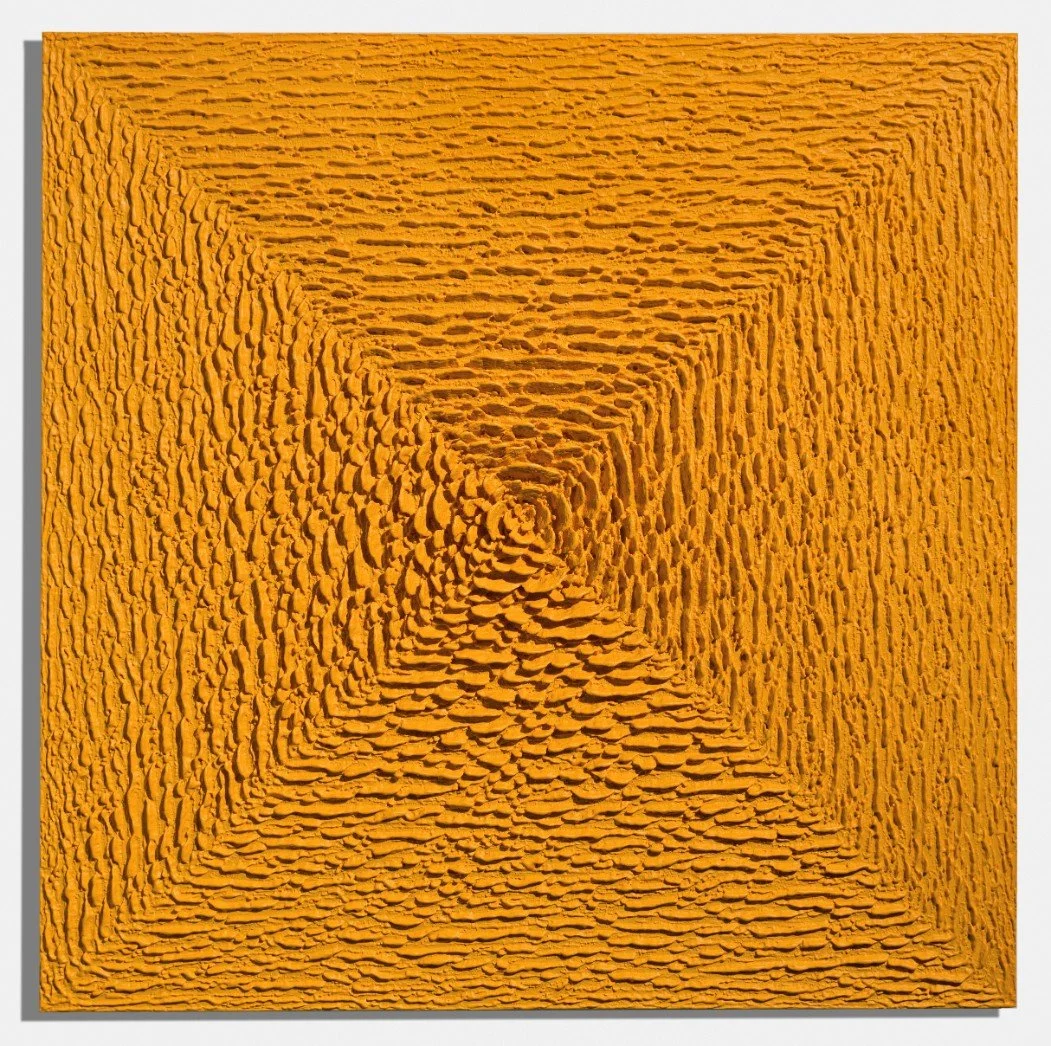
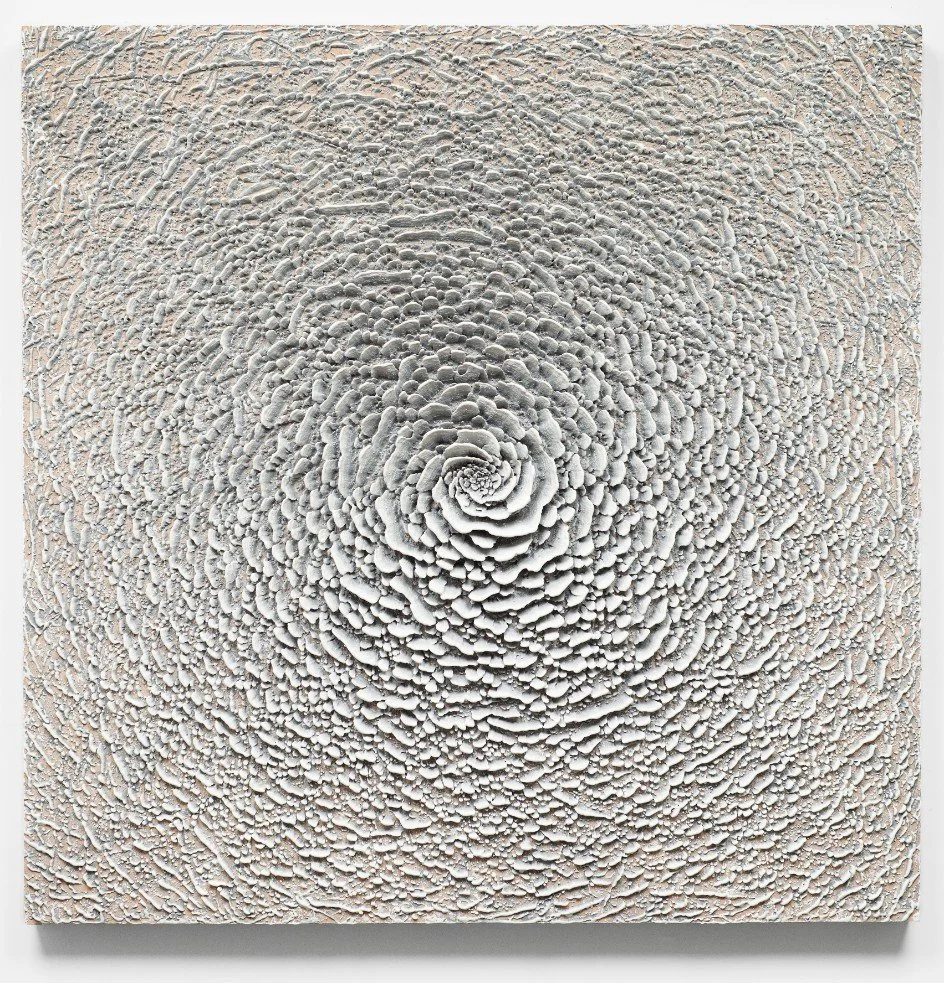
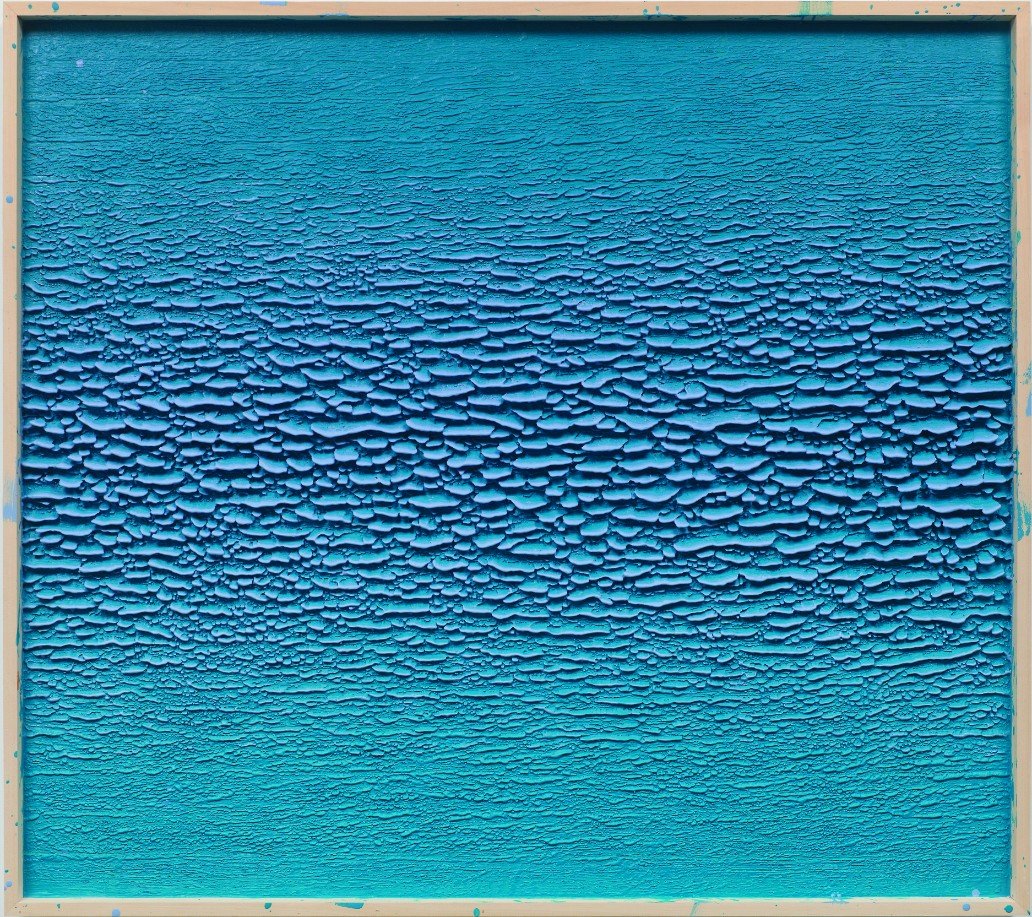
After graduation, Kline moved to the Pacific Northwest, working as a security guard at the Portland Art Museum. That experience of close, patient observation of artworks was formative in how Kline shaped his own artistic output: one that revealed itself gradually. A move to New York City in 1986 witnessed a change in medium and a certain stylistic reduction: Kline gradually shifted away from representation and started experimenting with encaustic. While his early encaustic works consisted of discernible lines on gessoed canvas and linen, progressively they became more voluminous, breaking the boundary between painting and sculpture. To further that disruption, he began casting his paintings in bronze using the lost-wax method. While visually Kline’s works look as though they were created spontaneously, each protrusive element is achieved through methodically repeated brushstrokes; a technique that does not allow for errors. The additive process of applying hot wax holds a deeper meaning to Kline, serving as an analogy to nature and growth.
Kline tends to conceptualize works in series, which he sometimes returns to years later. While visual associations abound, the titles, both erudite and poetic, are essential to understanding individual works on a deeper level. Among the themes Kline has explored in his work were American culture, both through the prism of nostalgia and a historical analysis of violence, the meaning and value of artistic labor, our contemporary society’s focus on immediacy and instant gratification, and the connection between humans and nature. Kline frequently pays homage to old masters, modernists, and non-Western cultures: his work is a synthesis of many varied influences and fields of knowledge.
Formally, Kline has pushed the boundaries of the encaustic medium through exploration of color, shape, density of application, and context: Tabula Rasa contained overt apian references to cleverly examine the medium encaustic process uses; Dreams of Venice explored the unique kind of glow and water effervescence of Venice, Italy, a city that held academic and personal importance to Kline; Jewel Paintings, visually, were reminiscent of Victorian puzzle purses in their pinwheel stroke application, while White series focused on the breadth of the color differentiation white can produce.
Martin Kline's work is included in many institutional collections, including the Albertina Museum in Vienna, Austria, the Harvard Art Museums, the Metropolitan Museum of Art, the MFA Boston, and the Whitney Museum of American Art.
“Because his work is lyrically abstract, critics and art historians have commented consistently on the romantic sensibilities Martin’s paintings and sculptures evoke. He blends aspects of the beautiful with the sublime. His vision boasts the remarkable qualities of originality and consistency so that all of his works have a distinctive cohesive quality yet each explores a different theme and is the result of different influences. . . Almost all have an organic quality which tethers them to the tradition of landscape painting. But, instead of a panoramic display, Kline concentrates on a slice of nature magnified and thus examined intensely. His beguiling and seductive creations engage us aesthetically but also intellectually because of the questions they evoke with regards to man’s role with nature.”
—Douglas Hyland, Director of the New Britain Museum
CV
featured worK





past exhibitions

Night Vision: Nocturnal Musings by NAGA Artists | June 4 - July 9, 2021

Virtual Summer Camp: New Work by NAGA Artists | July 2020 *Online Exhibition*
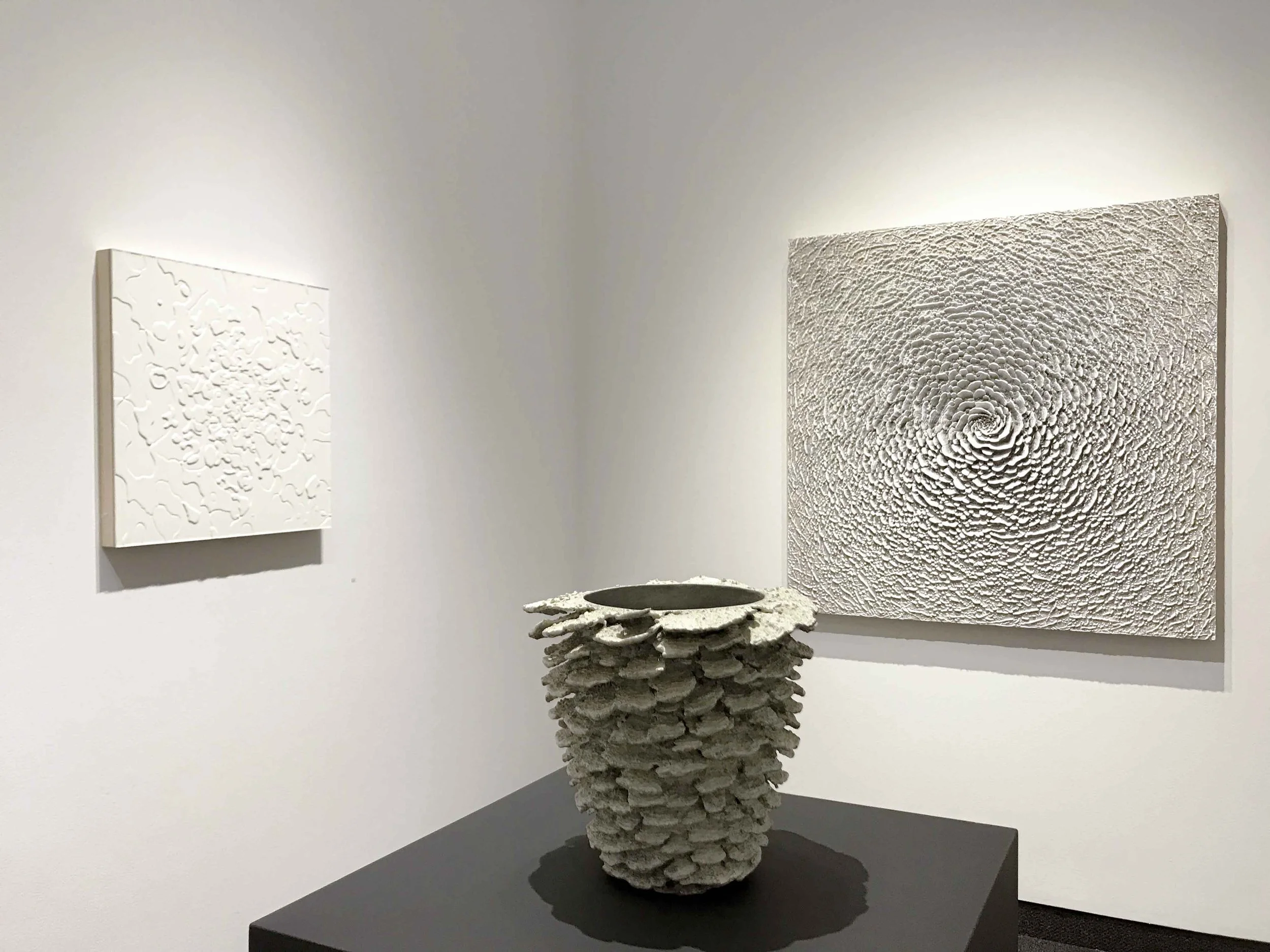
White | October 5 - November 3, 2018
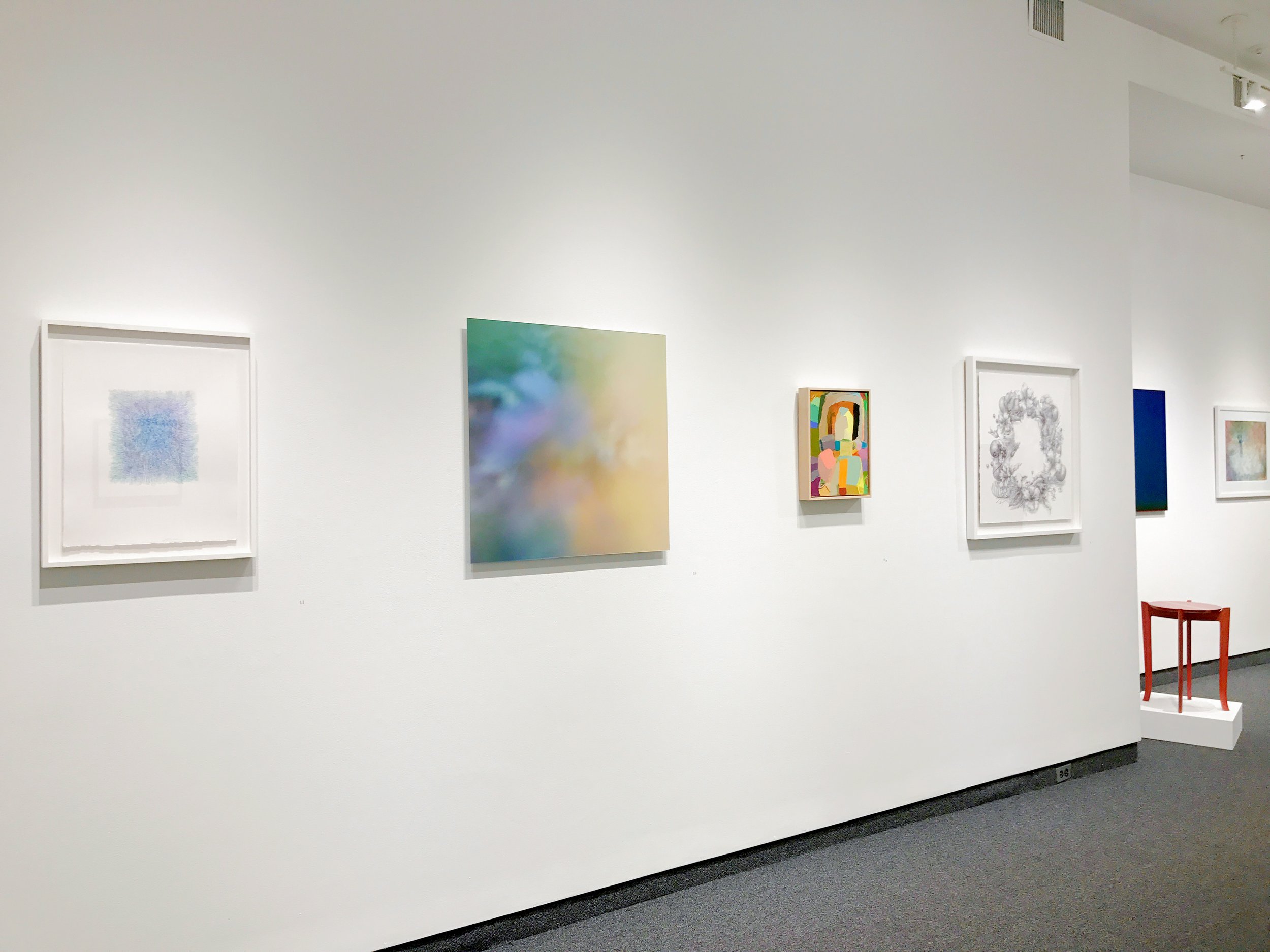
40th Anniversary: Artists A - K | May 5 - 27, 2017
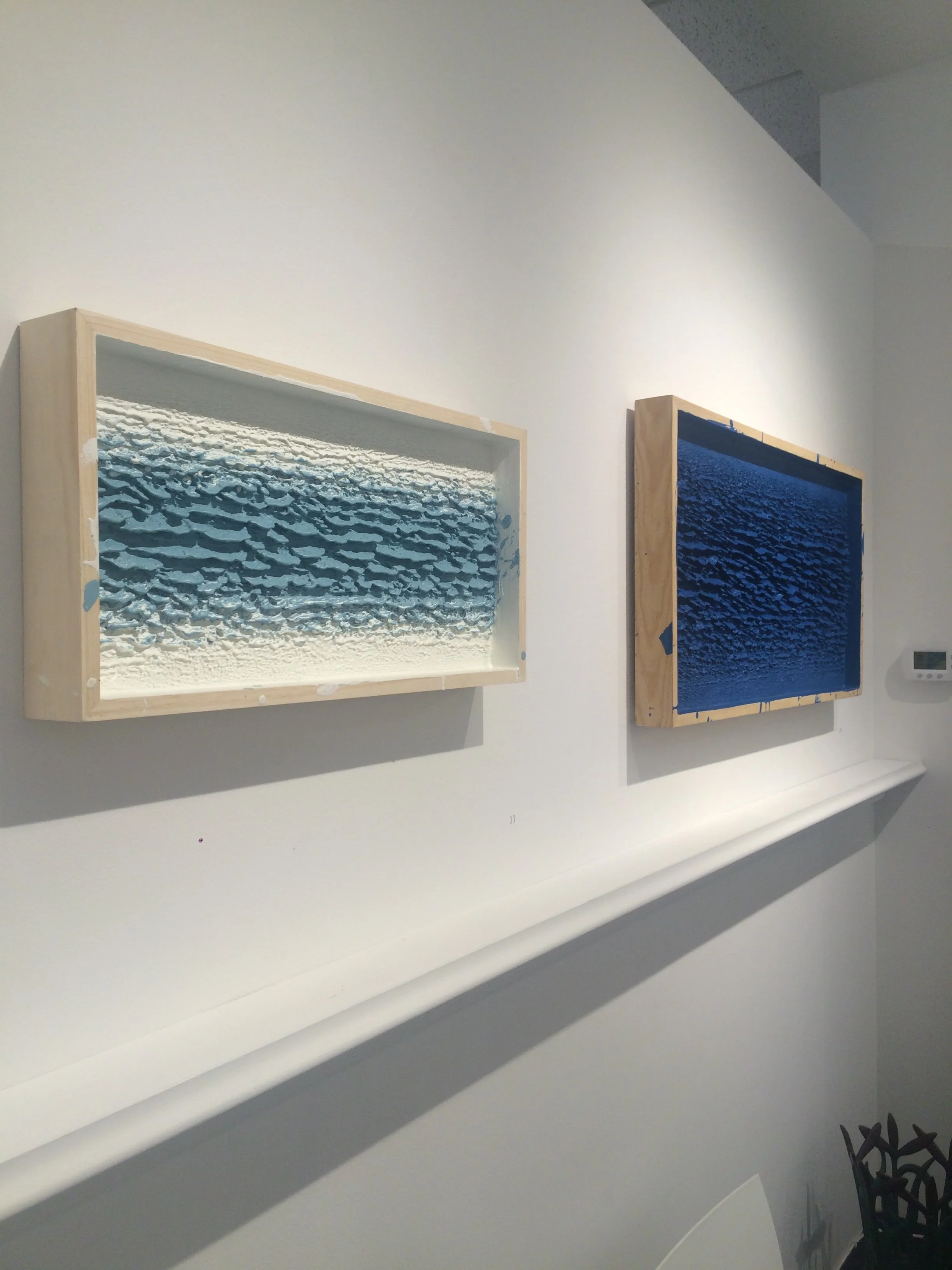
Dreams of Venice | May 1–30, 2015
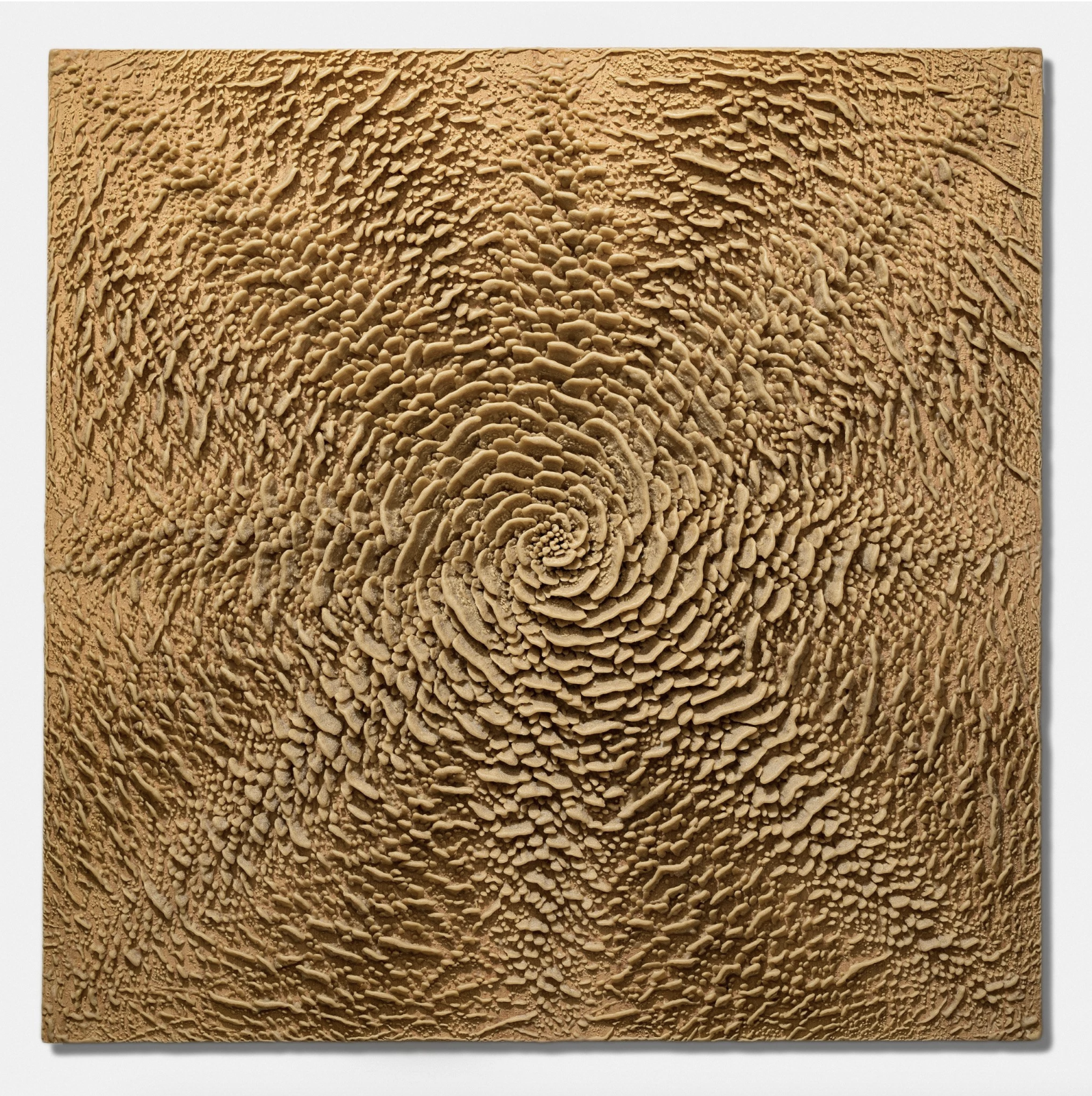
An Introduction | October 5 – November 3, 2012