
Peri Schwartz
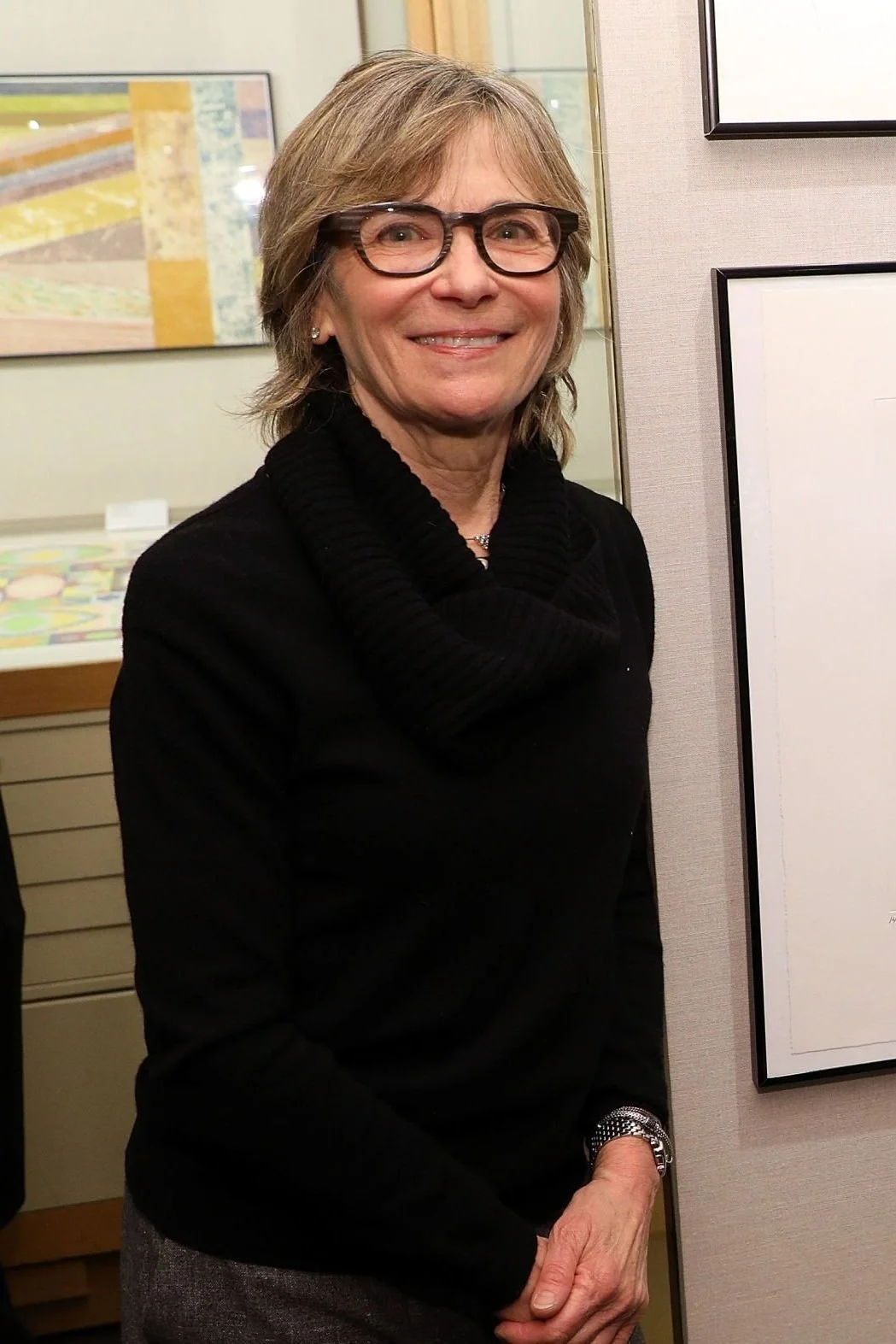
Peri Schwartz was born in New York in 1951. She earned her BFA from Boston University and her MFA from Queens College, New York. Her studio was based on the 10th floor of an office building in New Rochelle and had expansive windows that allowed her to work by natural light. Schwartz considered herself an abstract painter who deliberately worked from life. For most of her career, her subject matter was the interior of her studio, where she meticulously staged objects and her own body against the setup of the walls and windows, frequently using painted gridded canvases as a backdrop. There, she assembled and modeled careful compositions where balance, geometry, and dramatic gradations of light were key.
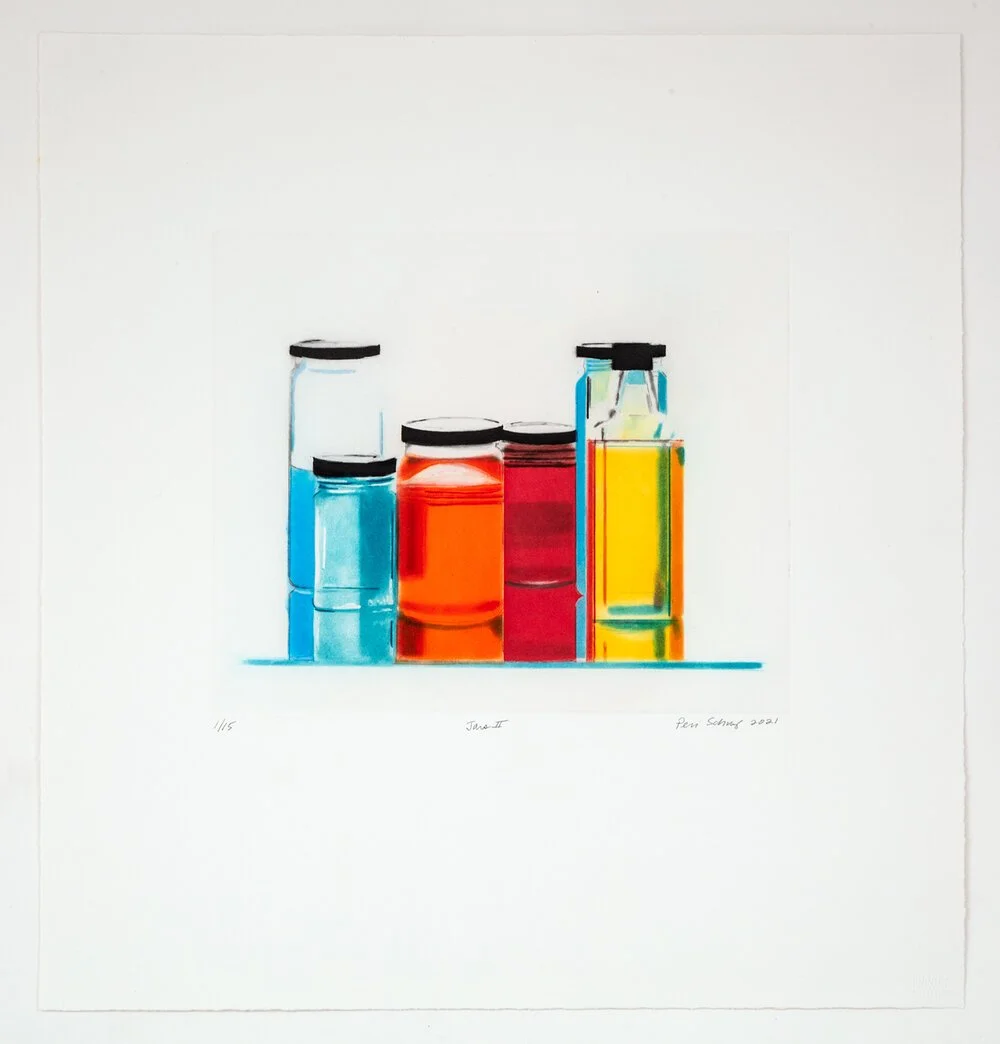
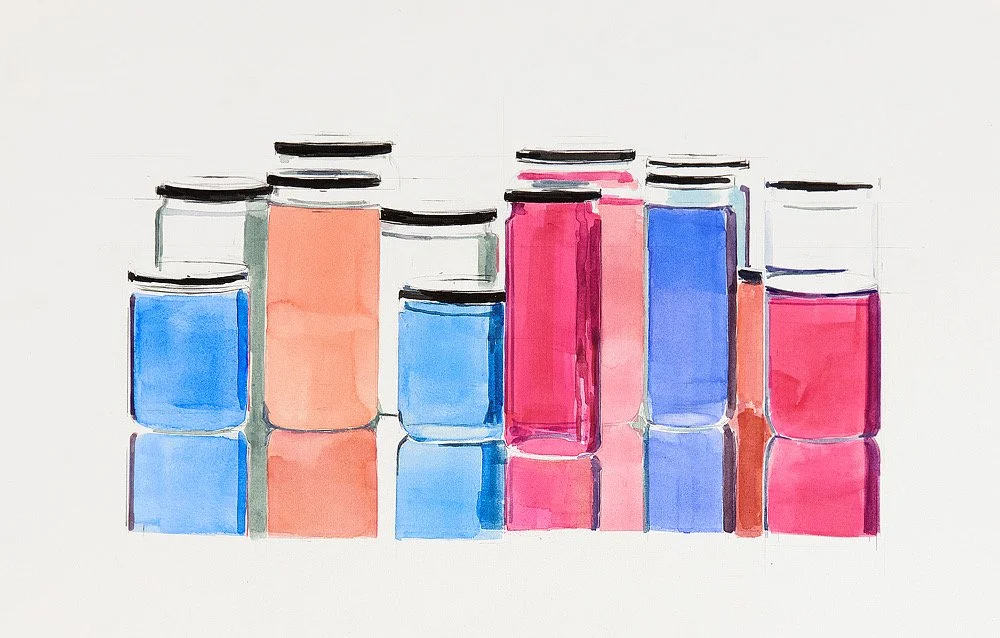
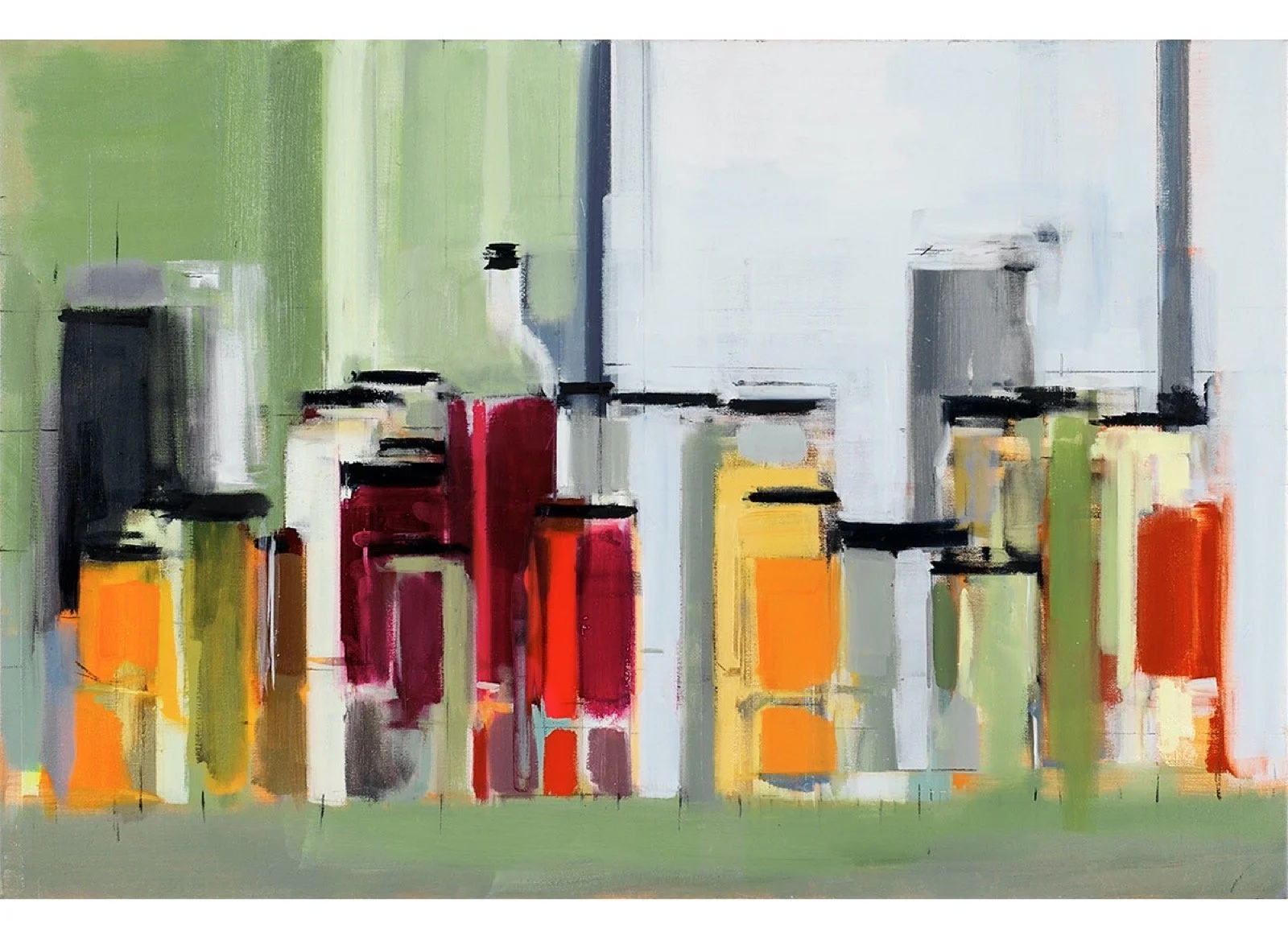
Schwartz was always faithful to reality: every luminous color in her jars and bottles, every reflection on the wall, every grid mark on the wall, table, or object was first created and traced in real life, then carefully placed and rearranged as many times as needed to create the perfect composition. Schwartz often oscillated between media to analyze and establish formal relationships of her compositional elements, creating graphite drawings, monotypes, paintings, and prints, each medium allowing for slight rethinking and reevaluation of her setup.
The play between abstraction and figuration is what makes Schwartz's work particularly intriguing, given that her subject had always been right in front of her. When an arrangement required a larger jar or a more diluted color tone, she would procure a bigger jar and dilute her tincture to achieve the desired outcome; she was not interested in painting from her imagination. The grid held a particular importance in her work: far from being a structural tool, it was an essential part of her compositions. Schwartz felt a strong connection to Pieter Saenredam and Piet Mondrian, artists who, both figuratively and abstractly, relied on a structure of the grid to achieve harmony and balance.
Peri Schwartz passed away in 2021 after a long battle with pancreatic cancer. Her work is included in numerous national and international collections, including Bibliothèque Nationale de France, The British Museum, The Denver Art Museum, Harvard Art Museums, LACMA, The Library of Congress, The MFA Boston, The Philadelphia Museum of Art, The Portland Art Museum, and the Victoria & Albert Museum.
Making things up bored Schwartz; she wasn’t interested in recording the imaginative associations of her own mind. She craved the sustained attention required of direct observation. It is a marvel, almost a contradiction, that the finished work appears so spacious and free, like an improvisation. Within the rules she imposed on herself, Schwartz found creative liberation.
—Cody Upton, Executive Director of the American Academy of Arts and Letters
CV
featured worK



past exhibitions
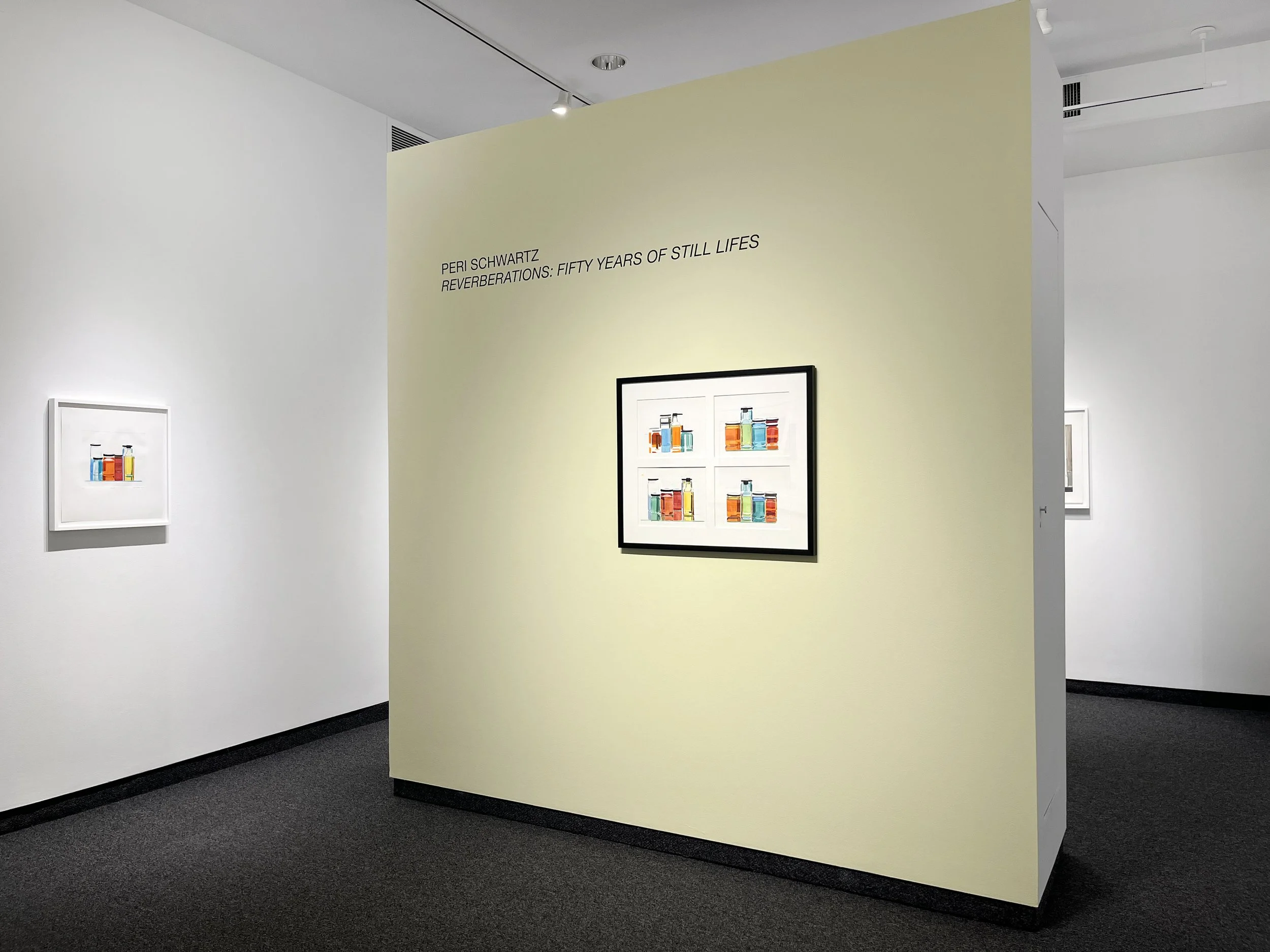
Reverberations: Fifty Years of Still Lifes | April 3–May 2, 2026
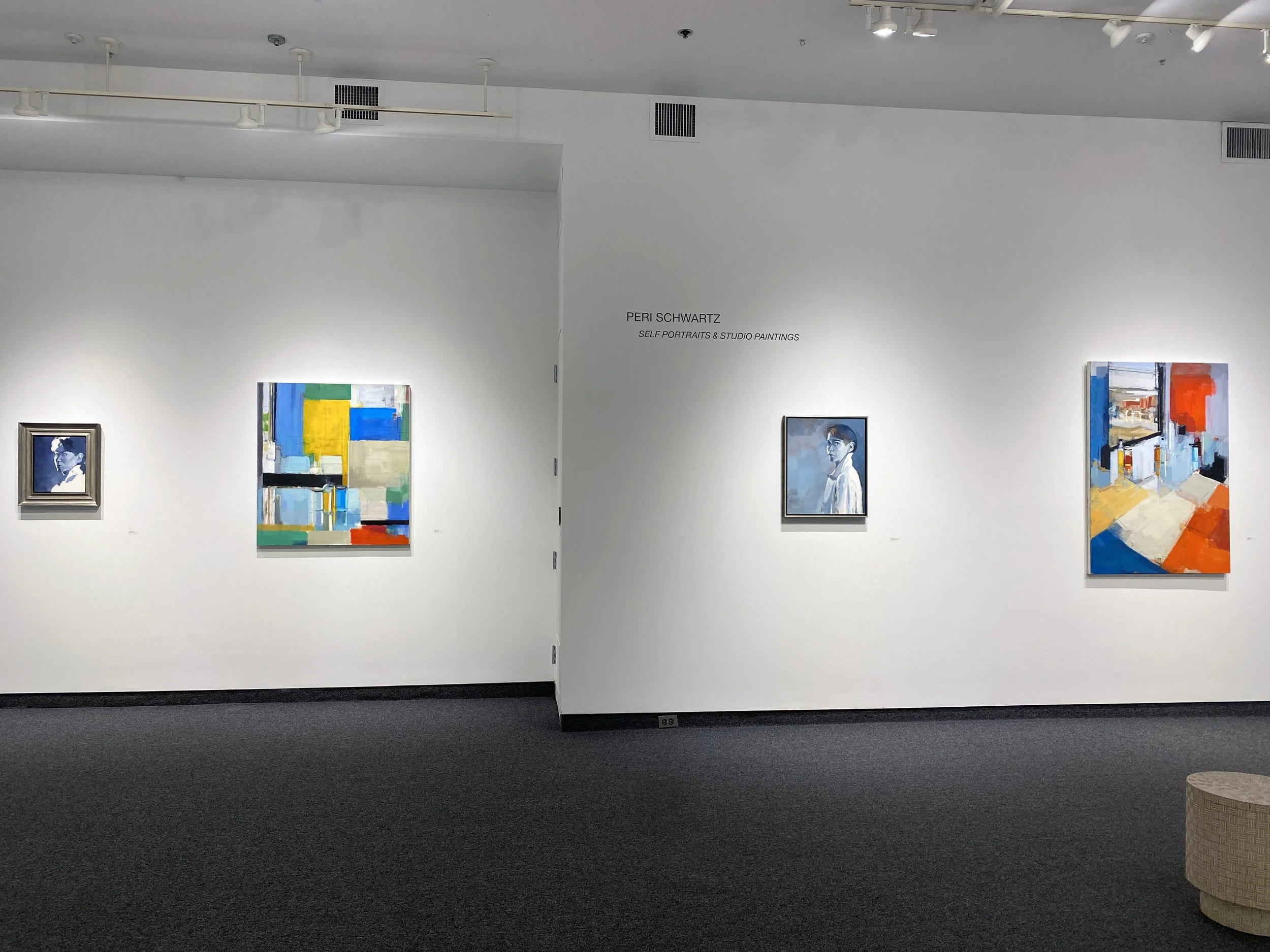
Self Portraits & Studio Paintings | January 8 - 30, 2021

Night Vision: Nocturnal Musings by NAGA Artists | June 4 - July 9, 2021

Virtual Summer Camp: New Work by NAGA Artists | July 2020 *Online Exhibition*

Peter Brooke & Peri Schwartz: Works on Paper | January 3 - 25, 2020
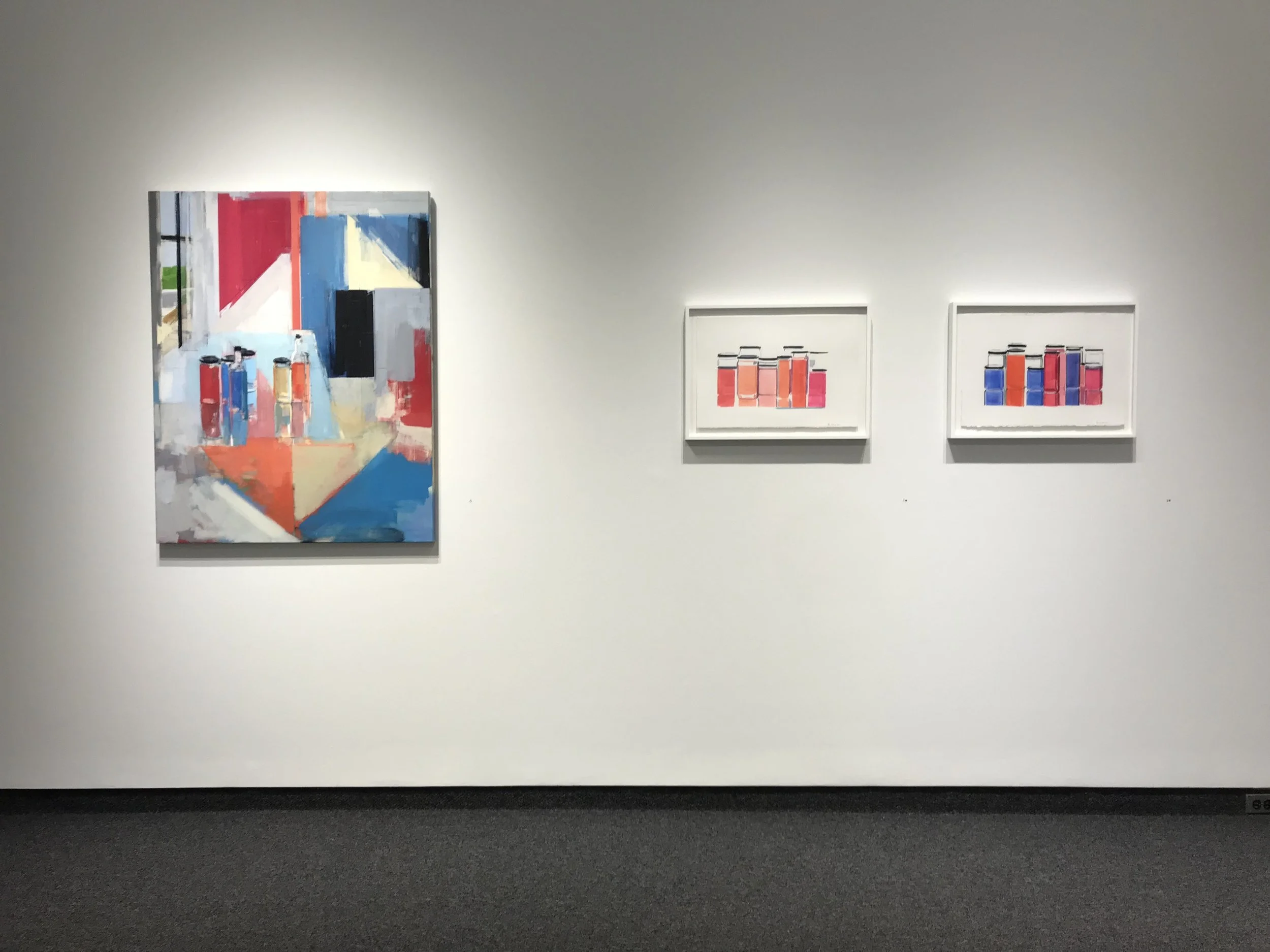
Color and Process | September 4 - 29, 2018
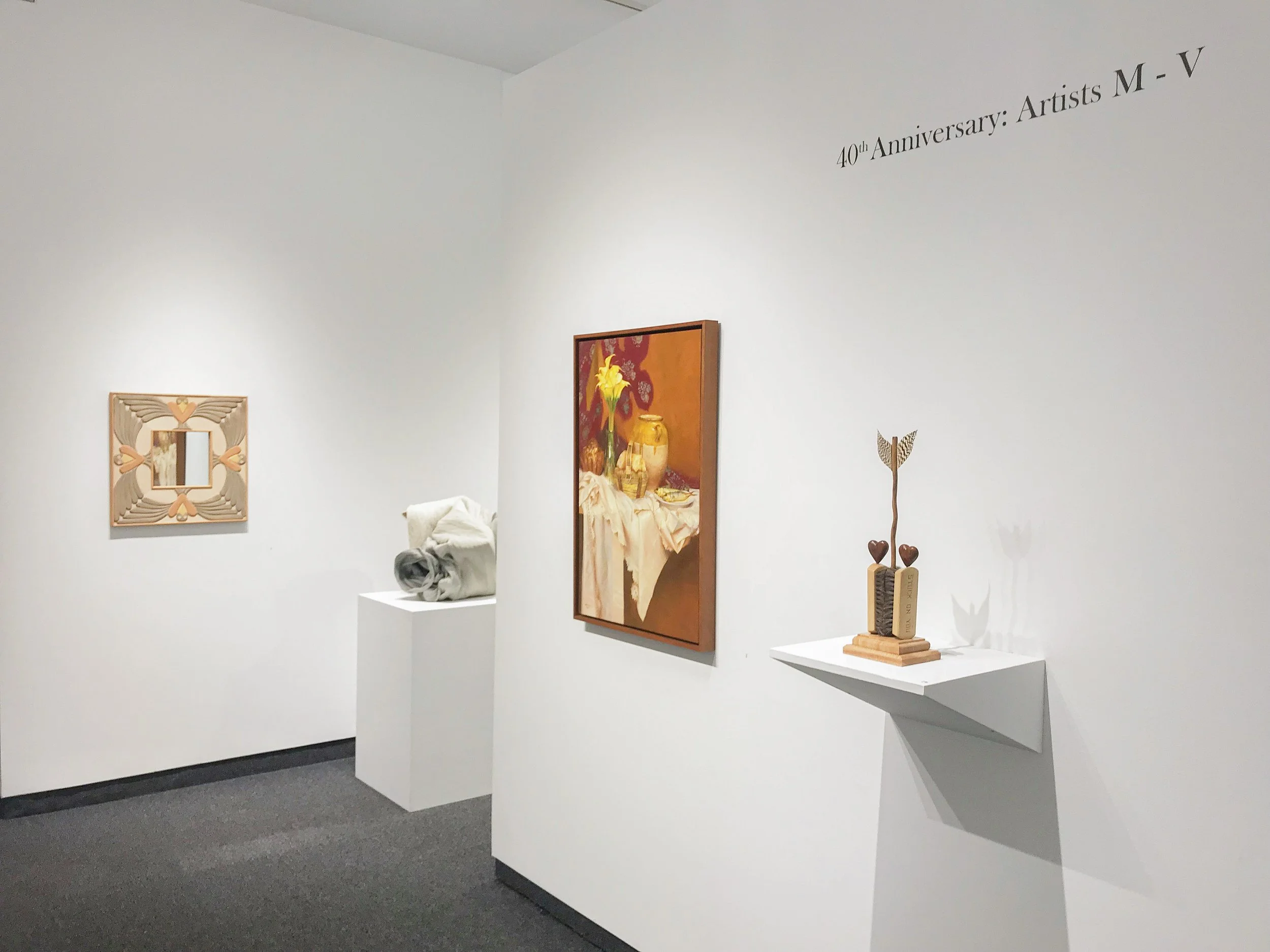
40th Anniversary: Artists M - V | February 2 - 24, 2018
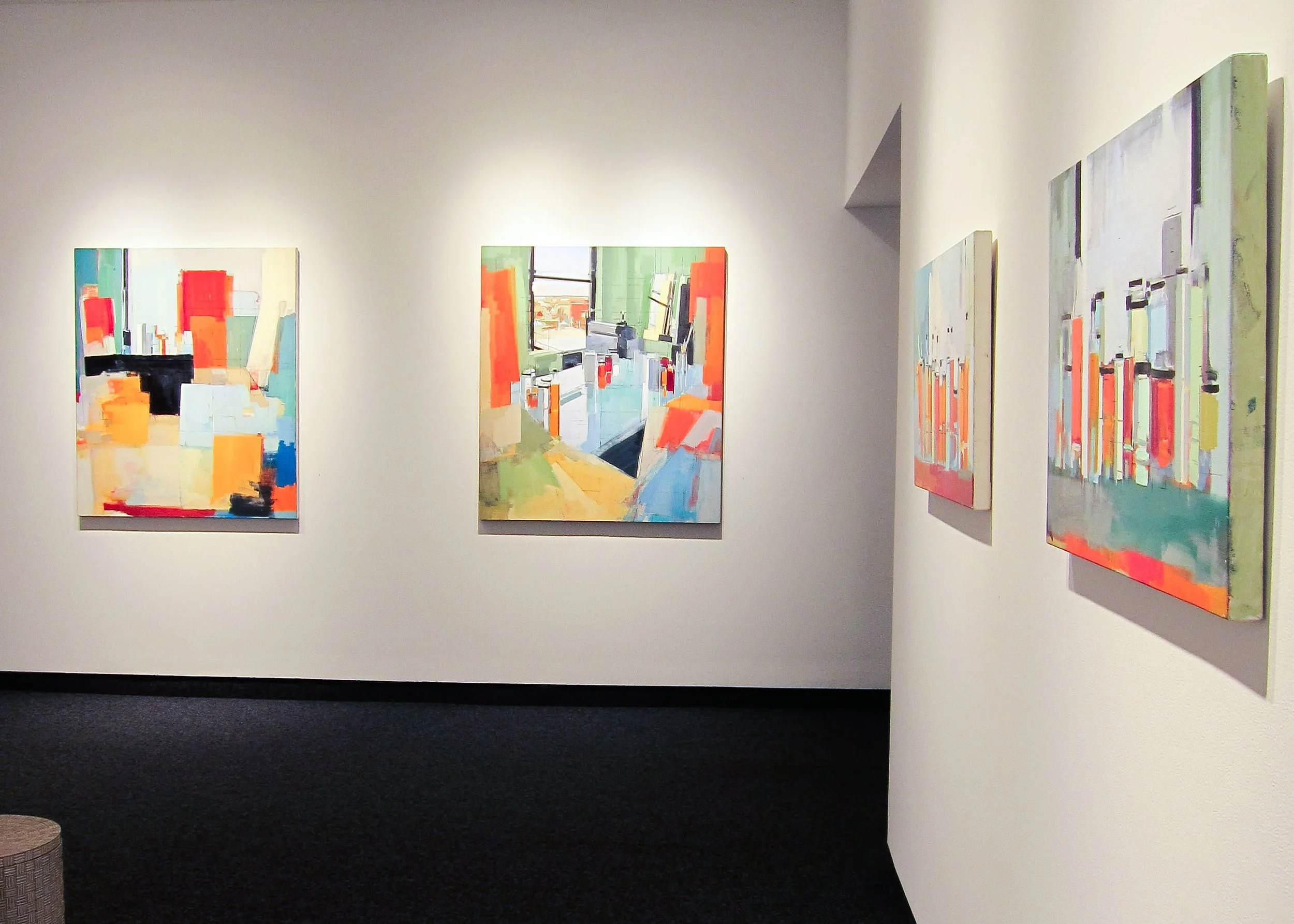
Composing Paintings | September 2–October 4, 2014